How does a whole chicken break down into individual parts?
A standard whole chicken breaks down into two breast halves, two wings, two thighs, two drumsticks, and a back, plus giblets packed inside the cavity. Home butchering typically starts by removing the legs at the hip joint, then the wings at the shoulder, followed by cutting the breast away from the backbone.
What's the real difference between white meat and dark meat?
White meat comes from muscles like the breast and tenderloin that see little use and rely on quick-burning energy, giving them a pale color and mild flavor. Dark meat comes from constantly used muscles like the thighs and drumsticks, which contain more myoglobin, fat, and connective tissue for endurance, producing richer flavor and color.
Which chicken part is best for grilling?
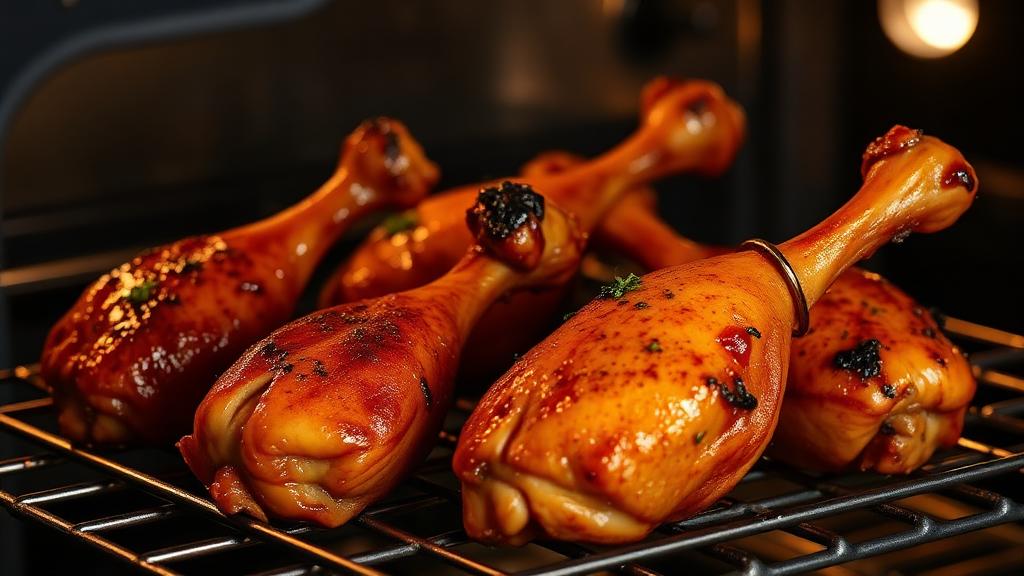
Bone-in, skin-on thighs and drumsticks are generally best for grilling because their fat and connective tissue keep them moist and resist drying out over direct heat. Boneless breast can also be grilled successfully but requires closer attention and quicker cooking to avoid drying out.
What is the safe internal temperature for all chicken parts?
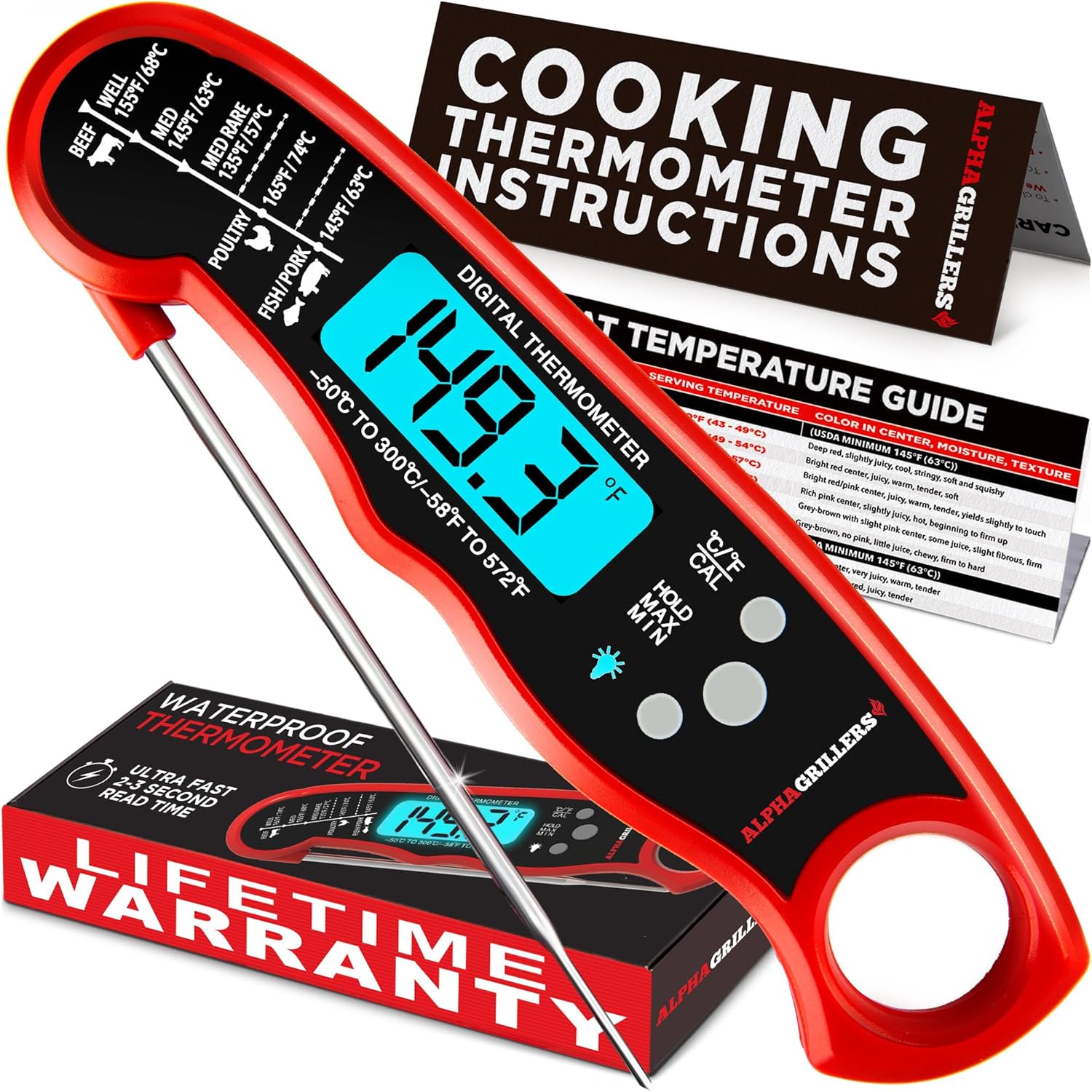
The USDA states all poultry, including chicken, is safe to eat once it reaches 165°F internally regardless of the cut. Dark meat cuts like thighs and drumsticks taste and feel better when taken further, to about 175-185°F, because their extra connective tissue needs more heat and time to fully soften into gelatin.
What are the cheapest chicken cuts to buy?
Drumsticks, chicken backs, whole birds, and bone-in thighs are typically the cheapest cuts per pound because they are in lower consumer demand than boneless, skinless breast. Buying a whole chicken and butchering it at home is usually the most economical option of all.
Should you rinse raw chicken before cooking it?
No, food safety authorities including the USDA specifically advise against rinsing raw chicken. Washing it under running water can splash bacteria like Salmonella onto the sink, countertops, and nearby surfaces, actually increasing the risk of cross-contamination rather than reducing it.
Why is bone-in chicken usually cheaper than boneless?
Boneless, skinless cuts require additional processing labor to remove the bone and skin, and that labor cost gets passed on to the consumer. Bone-in cuts also weigh more due to the bone itself, so you're paying less per pound for a product that requires less handling at the processing plant.
What's the difference between a fryer, a roaster, and a broiler chicken?
These labels refer to the bird's age and size at slaughter: broilers or fryers are younger birds around 2.5-4.5 pounds with tender meat suited to quick cooking methods, while roasters are older, larger birds (5-7 pounds) with more fat, better suited to slow oven roasting for a whole meal.