Pork Cuts Chart

    Explore all 8 primal cuts of pork on our interactive diagram. Click any section to see the retail cuts, dishes, and recipes that come from that part of the pig.

    JOWLSHOULDER(BUTT)PICNICLOINSPARE RIBSBELLYHAMHOCKClick any primal on the pig to explore its cuts and recipes

    What Are the 8 Primal Cuts of Pork?

    A hog is broken into eight primal cuts, each with its own fat content, texture, and ideal cooking method — from the collagen-rich shoulder that becomes pulled pork to the lean loin that cooks in minutes.

    Pork Shoulder (Boston Butt)

    Upper Front Shoulder, above the front leg

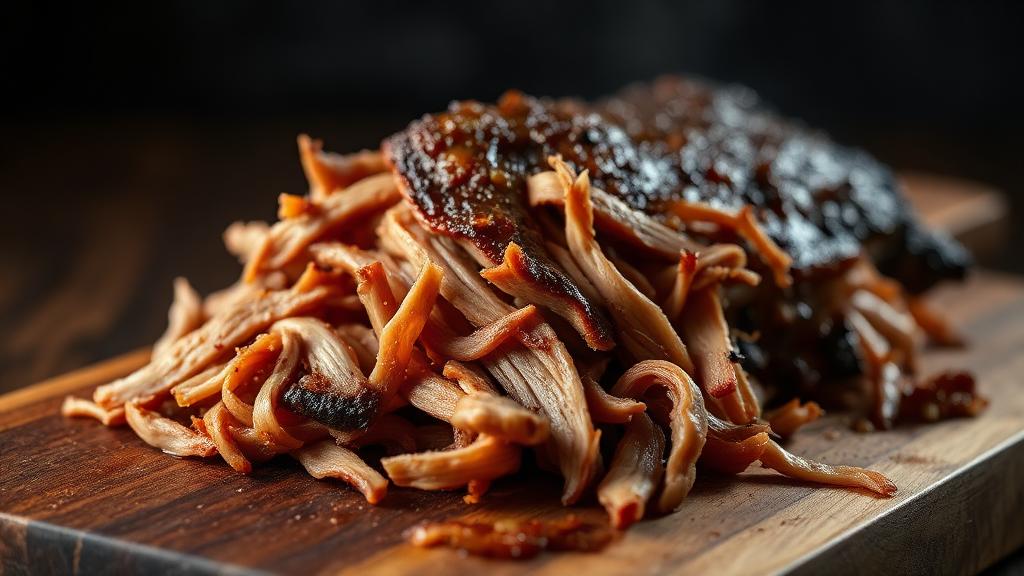
    The Boston butt comes from the upper portion of the front shoulder, just above the picnic shoulder. Despite the name, it has nothing to do with the rear of the animal — the name dates back to colonial New England, where shoulder cuts were packed into wooden barrels called 'butts' for shipping. It's a heavily worked, well-marbled muscle group prized for slow cooking. This is the cut behind virtually all pulled pork.

    Boston Butt RoastBlade Steak

    Picnic Shoulder

    Lower Front Shoulder, above the foreleg

    The picnic shoulder sits below the Boston butt, extending down toward the front leg (foreleg). It contains more connective tissue, skin, and bone than the butt, including the shank portion, which makes it slightly less tender but no less flavorful. Often sold with skin on for cracklings, it's a budget-friendly workhorse cut popular for whole-hog style roasting.

    Picnic RoastArm Roast

    Pork Loin

    Back, between the shoulder and the hip

    The loin runs along the back of the pig from the shoulder to the hip and is the source of the most tender, leanest pork cuts, comparable to beef's short loin. It yields the pork chop family, tenderloin, and roasts like the crown roast. Because it's lean, the loin is prone to drying out if overcooked and benefits from brining or careful temperature control.

    Center-Cut Pork ChopPork Tenderloin

    Pork Belly

    Underside of the pig, below the loin and ribs

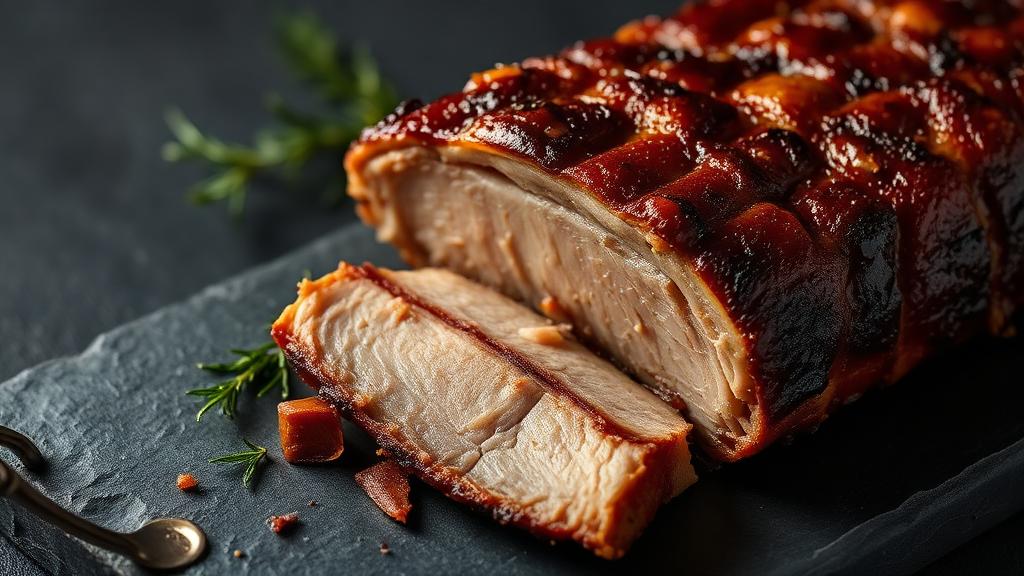
    Pork belly is the fatty, boneless cut from the underside of the pig, running from below the loin to the flank. It's the source of bacon after curing and smoking, and is increasingly popular served fresh, braised or roasted until the fat renders and the skin crisps. Its high fat-to-meat ratio makes it exceptionally rich and forgiving to cook.

    Fresh Pork Belly SlabSliced Belly (Bacon)

    Spare Ribs

    Belly side of the rib cage, below the loin

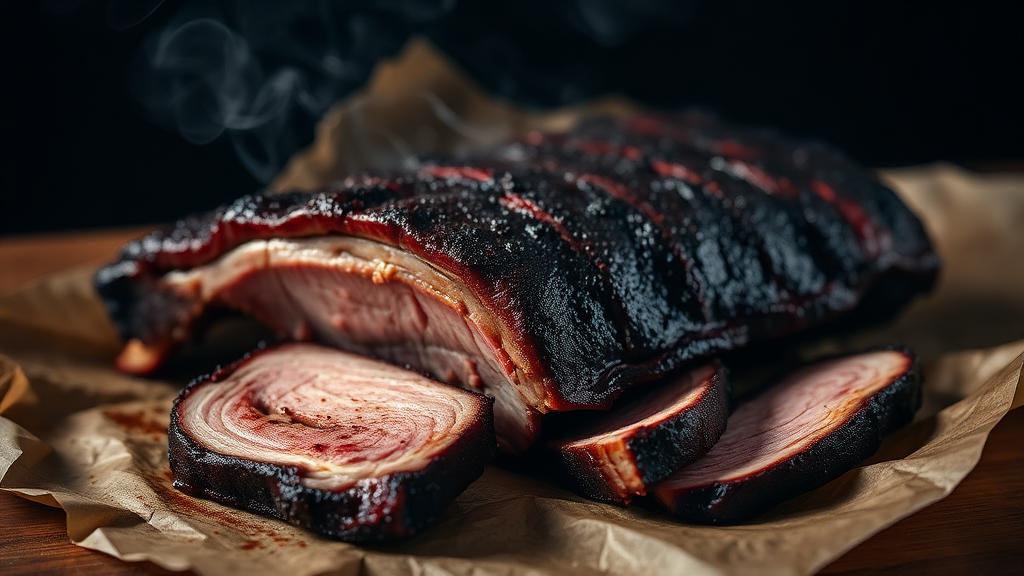
    Spare ribs come from the belly side of the rib cage, below the loin ribs (baby back ribs), and include more bone, cartilage and fat than their leaner counterpart. They're flatter and longer than baby backs, and when the cartilaginous rib tips are trimmed off, the result is the neatly rectangular St. Louis-style rib. Spare ribs are a barbecue staple prized for their rich, meaty flavor.

    Full Spare Rib RackSt. Louis-Style Ribs

    Ham (Fresh Ham / Leg)

    Hind Leg

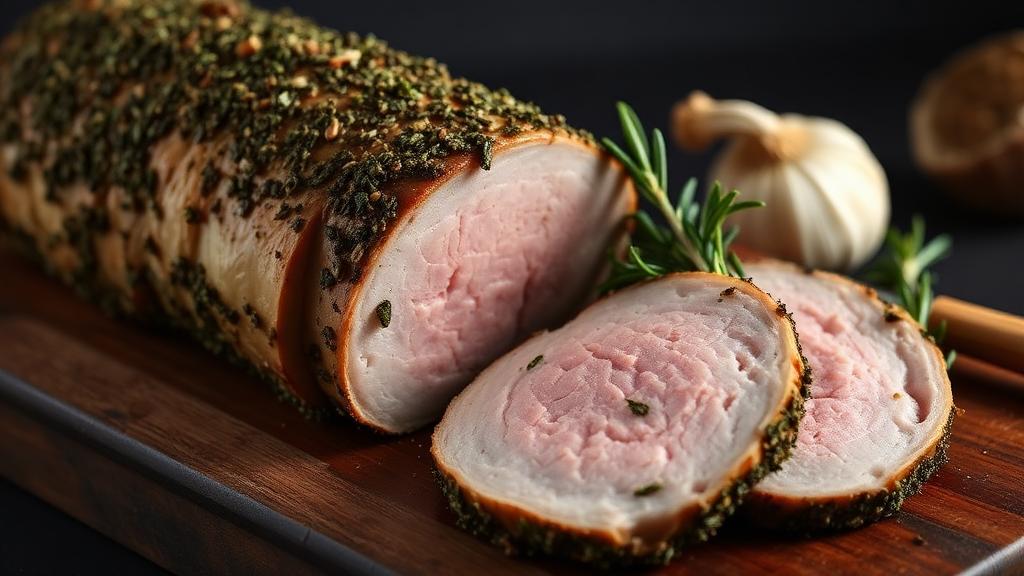
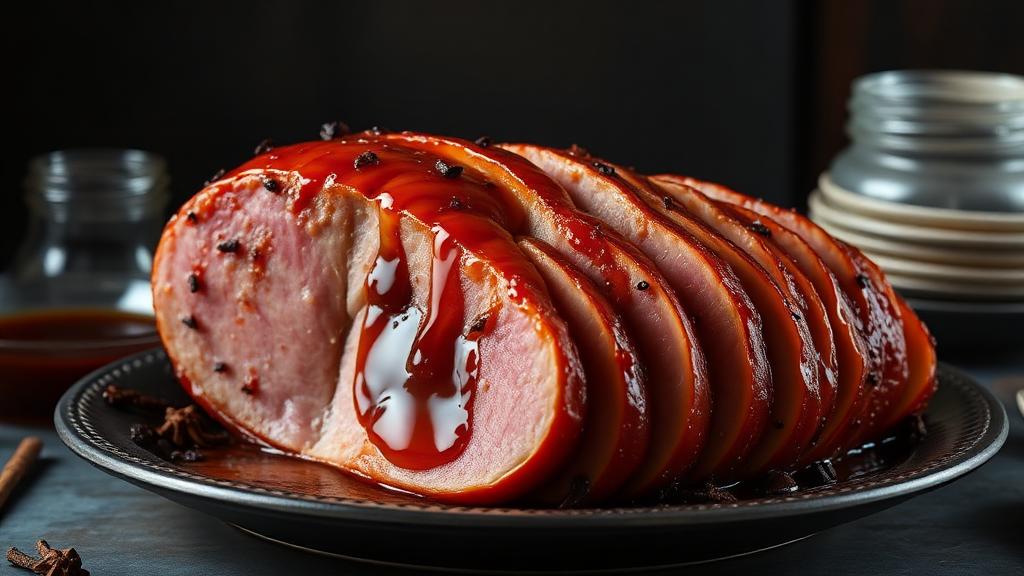
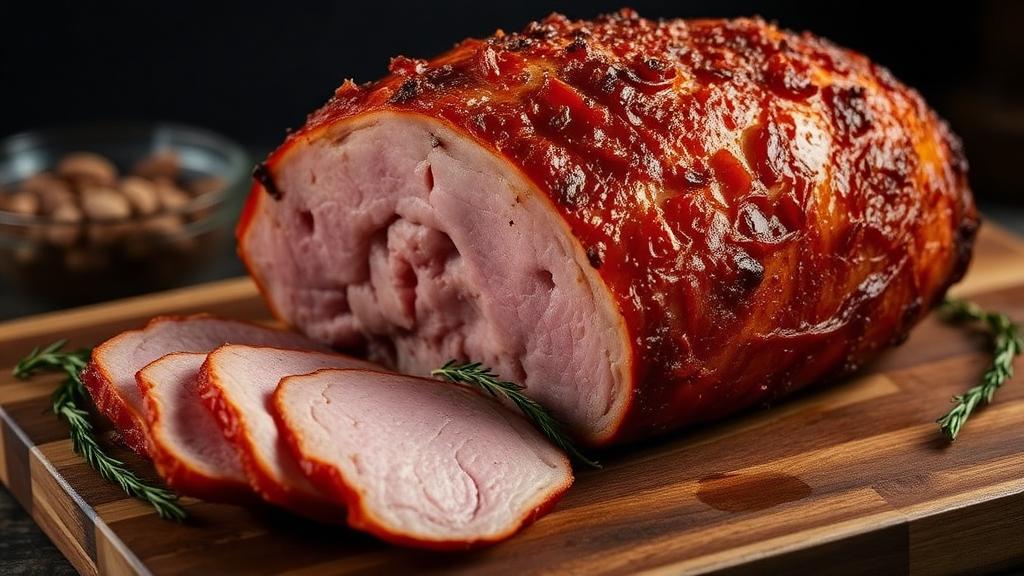
    Ham refers to the hind leg of the pig, whether sold fresh (uncured) or, far more commonly, cured and often smoked into the familiar deli and holiday ham. A fresh ham is essentially a large, lean roast, while cured hams (bone-in, spiral-cut, or boneless) are pre-cooked or ready-to-cook and are a centerpiece for holiday tables.

    Fresh Ham RoastHam Steak

    Pork Hock (Ham Hock)

    Ankle joint of the front or hind leg

    The hock is the joint between the leg and the foot, taken from either the front leg (foreshank) or the rear leg (hind hock). It's mostly skin, bone, tendon, and connective tissue with relatively little meat, but it's an essential flavoring cut. Fresh or smoked, hocks add deep body and gelatinous richness to soups, stocks, and braises.

    Smoked Ham HockFresh Pork Hock

    Pork Jowl

    Cheek

    The jowl is the cheek muscle of the pig, a small but intensely flavorful cut prized in Southern and Italian cooking. Cured and smoked, it becomes jowl bacon; cured with black pepper in the Italian style, it becomes guanciale, a cornerstone of Roman pasta dishes like carbonara and amatriciana.

    Jowl Bacon SlabGuanciale

    What Are the Best Pork Recipes?

    40 tested pork recipes, each matched to the cut it was designed for, with step-by-step method and target internal temperatures.

    How Do You Cook Pork Perfectly?

    Temperatures, buying advice, brining and butchery — the fundamentals that decide whether pork comes out juicy or dry.

    Frequently Asked Questions About Pork Cuts

    How many primal cuts does a pig have?

    A pig is typically broken down into eight primary primal cuts: shoulder (Boston butt), picnic shoulder, loin, belly, spare ribs, ham, hock, and jowl. Some processors combine or subdivide these slightly differently, but these eight cover the standard American butchery breakdown.

    What is the best cut of pork for pulled pork?

    Pork shoulder, specifically the Boston butt, is the best choice for pulled pork thanks to its generous marbling and connective tissue, which break down during long, slow cooking into tender, easily shredded meat. Picnic shoulder works well too, though it has slightly more bone and skin.

    What is the difference between spare ribs and baby back ribs?

    Spare ribs come from the belly side of the rib cage and are longer, flatter, and fattier, while baby back ribs come from near the loin, higher on the rib cage, and are shorter, leaner, and more curved. Baby backs cook faster and generally cost more per pound.

    What temperature is pork safe to eat?

    The USDA recommends cooking whole cuts of pork, such as chops, loin, and roasts, to an internal temperature of 145°F followed by a 3-minute rest. Ground pork, because it mixes surface bacteria throughout, must be cooked to a higher internal temperature of 160°F.

    What are the cheapest cuts of pork?

    Pork shoulder, picnic shoulder, ham hocks, and pork jowl are typically among the least expensive cuts because they contain more connective tissue and require longer cooking. These cuts deliver excellent flavor and value when cooked low and slow.

    What is the most tender cut of pork?

    Pork tenderloin is the most tender cut on the pig, coming from a small, lightly worked muscle beneath the loin near the spine. It has a fine grain and virtually no connective tissue, so it cooks quickly and stays tender when not overcooked.

    Why does pork sometimes look pink even when fully cooked?

    Pork cooked to the USDA-recommended 145°F can retain a slight pink blush, which is normal and safe. This happens because myoglobin in the muscle can remain pink at safe temperatures, especially in younger hogs, smoked cuts, or meat cooked with certain marinades.

    What's the difference between fresh pork and cured pork?

    Fresh pork is uncured and untreated, tasting mild and purely porky, while cured pork has been treated with salt, sugar, and often nitrites or nitrates, sometimes followed by smoking. Curing transforms cuts like belly into bacon and leg into ham, adding a distinct salty, smoky, pink-tinged character.
    Alpha Grillers Instant Read Meat Thermometer

    Our Pick: Alpha Grillers Instant Read Thermometer

    Waterproof, backlit & reads in 2–3 seconds. The best way to hit perfect doneness every time.

    View on Amazon

    As an Amazon Associate we earn from qualifying purchases.