Pork Ribs Guide: Baby Back vs. Spare Ribs and How to Cook Them
Pork ribs come in several distinct cuts, and knowing the difference between baby back, spare, and St. Louis-style ribs will change how you shop and cook. Each rack has a different bone shape, meat-to-fat ratio, and ideal cooking time. This guide covers how to identify, buy, and cook every major type of pork rib to tender perfection.
What's the difference between baby back and spare ribs?
Baby back ribs come from the top of the rib cage near the spine, are shorter and curved, leaner, and cook faster, typically in 4-5 hours. Spare ribs come from lower on the belly side, are longer, flatter, and fattier, with more connective tissue that takes 5-6 hours to fully break down but rewards you with deeper pork flavor.
- • Baby back ribs: shorter, curved, leaner, cook in 4-5 hours at 225°F
- • Spare ribs: longer, flatter, fattier, cook in 5-6 hours at 225°F
- • St. Louis-style: spare ribs trimmed into a neat rectangle, easier to handle
- • Country-style ribs: cut from the shoulder blade end, meatier, not true ribs
What temperature are pork ribs done at?
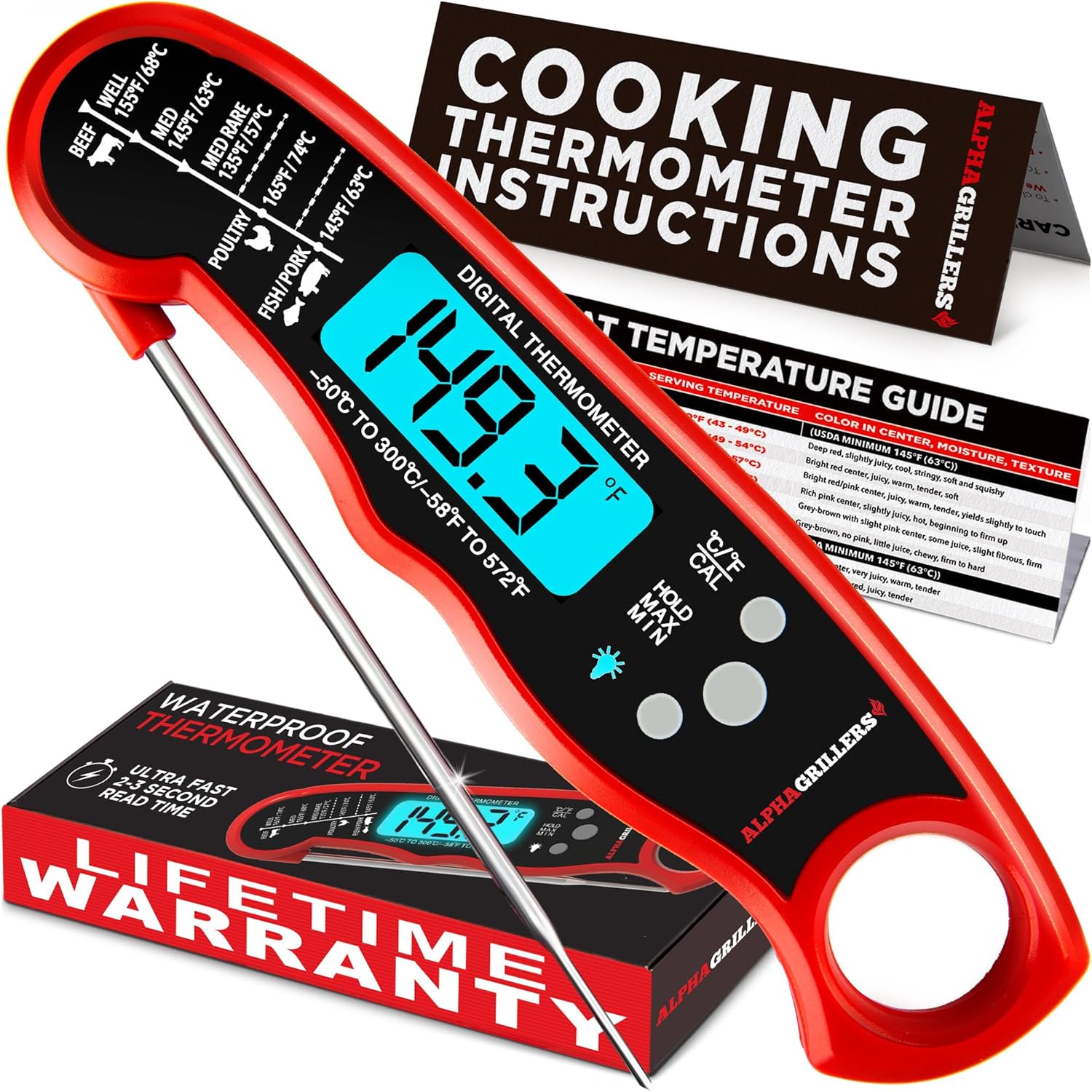
Ribs are safe to eat at 145°F but are tough and chewy at that temperature; for proper fall-off-the-bone texture, cook them to 195-203°F internal, which melts the collagen into gelatin. The classic 'bend test' — lifting the rack with tongs until it cracks slightly on the surface — is a reliable secondary check alongside a thermometer.
Should I remove the membrane before cooking ribs?
Yes, removing the thin, silvery membrane on the bone side of the rack is essential because it's tough, doesn't render, and blocks smoke and seasoning from penetrating the meat. Slide a butter knife under the membrane at one end, grip it with a paper towel, and peel it off in one motion.
What is the 3-2-1 method for ribs?
The 3-2-1 method is a popular smoking technique for spare ribs: 3 hours unwrapped in smoke, 2 hours wrapped in foil with liquid to tenderize, and 1 hour unwrapped again to firm up the bark and add sauce. Baby back ribs are leaner and smaller, so they typically use a shorter 2-2-1 variation to avoid overcooking.
- • 3 hours: smoke unwrapped at 225°F to build bark and smoke flavor
- • 2 hours: wrap in foil with apple juice or butter to steam-tenderize
- • 1 hour: unwrap, sauce if desired, and firm the exterior back up
Can I cook ribs in the oven instead of a smoker?
Yes — wrap seasoned ribs tightly in foil and bake at 275°F for about 2.5 to 3 hours for baby backs or 3 to 3.5 hours for spares, then unwrap and broil for 5-8 minutes with sauce to caramelize the exterior. This produces very tender, if less smoky, ribs and is an accessible method for anyone without an outdoor smoker.
How do I know which ribs to buy at the store?
Look for racks with even meat coverage over the bones, minimal exposed bone, and a healthy pink color without excessive fat deposits or dried-out edges. St. Louis-style ribs are a great choice for beginners since the uniform rectangular shape cooks more evenly than an untrimmed spare rib rack.
How many ribs should I buy per person?
Plan for about 1 pound of pork ribs per person for a hearty portion, which typically works out to a third to half of a standard rack depending on size. For a party where ribs are one of several dishes, half a pound per person is usually sufficient.
Frequently Asked Questions
Do I need to remove the membrane from baby back ribs too?
Yes, both baby back and spare ribs have the same tough membrane on the bone side that should be removed before cooking. Leaving it on prevents seasoning and smoke from penetrating and results in a chewy, unpleasant layer that won't render no matter how long you cook the ribs.
Why are my ribs tough even after hours of cooking?
Tough ribs after long cooking usually mean the internal temperature never reached the 195-203°F range needed to convert collagen into gelatin, often because the cooking temperature was too low or the grill/smoker ran cooler than the dial suggested. Use a thermometer rather than relying on time alone, and don't be afraid to cook longer.
What's the difference between spare ribs and St. Louis-style ribs?
St. Louis-style ribs are spare ribs with the rib tips, sternum bone, and cartilage trimmed off, leaving a neat, rectangular rack that's easier to season, cook evenly, and slice. They're essentially the same meat and flavor as spare ribs, just butchered into a more manageable shape.
Can I use the bend test instead of a thermometer?
The bend test is a good secondary indicator, but a thermometer reading of 195-203°F is more reliable, especially for beginners. To do the bend test, pick up the rack with tongs from one end — if it bends sharply and the surface cracks slightly, it's done.