Pork Cooking Guides
Master pork cookery: safe internal temperatures, how to buy and grade, brining, butchery, and the cooking method that suits each cut.
Pork Temperature Guide: Safe and Perfect Doneness
The correct internal temperatures for pork chops, roasts, ribs, and ground pork, plus resting times and how to use a thermometer.
Read guideHow to Choose Pork Chops: A Buyer's Guide
Learn to pick the right pork chop cut, thickness, and marbling for your recipe, from bone-in rib chops to lean boneless loin chops.
Read guidePork Ribs Guide: Baby Back vs. Spare Ribs and How to Cook Them
A complete guide to baby back, spare, and St. Louis-style pork ribs, including how to choose, trim, and cook them to fall-off-the-bone tenderness.
Read guideBrining and Curing Pork: Wet Brines, Dry Brines, and Cures Explained
Learn how wet brining, dry brining, and curing improve pork's moisture and flavor, with ratios, times, and safety tips for chops, roasts, and bacon.
Read guideBuying and Grading Pork: What Labels Actually Mean
Understand pork quality labels like heritage breed, organic, and enhanced, plus how to spot fresh pork and pick the right cut at the store.
Read guidePork Cooking Methods Guide: Matching Technique to Cut
A guide to roasting, grilling, braising, pan-searing, and smoking pork, with the best cuts and temperatures for each method.
Read guideApply These Guides to Specific Cuts
Upper Front Shoulder, above the front leg
Picnic ShoulderLower Front Shoulder, above the foreleg
Pork LoinBack, between the shoulder and the hip
Pork BellyUnderside of the pig, below the loin and ribs
Spare RibsBelly side of the rib cage, below the loin
Ham (Fresh Ham / Leg)Hind Leg
Pork Hock (Ham Hock)Ankle joint of the front or hind leg
Pork JowlCheek
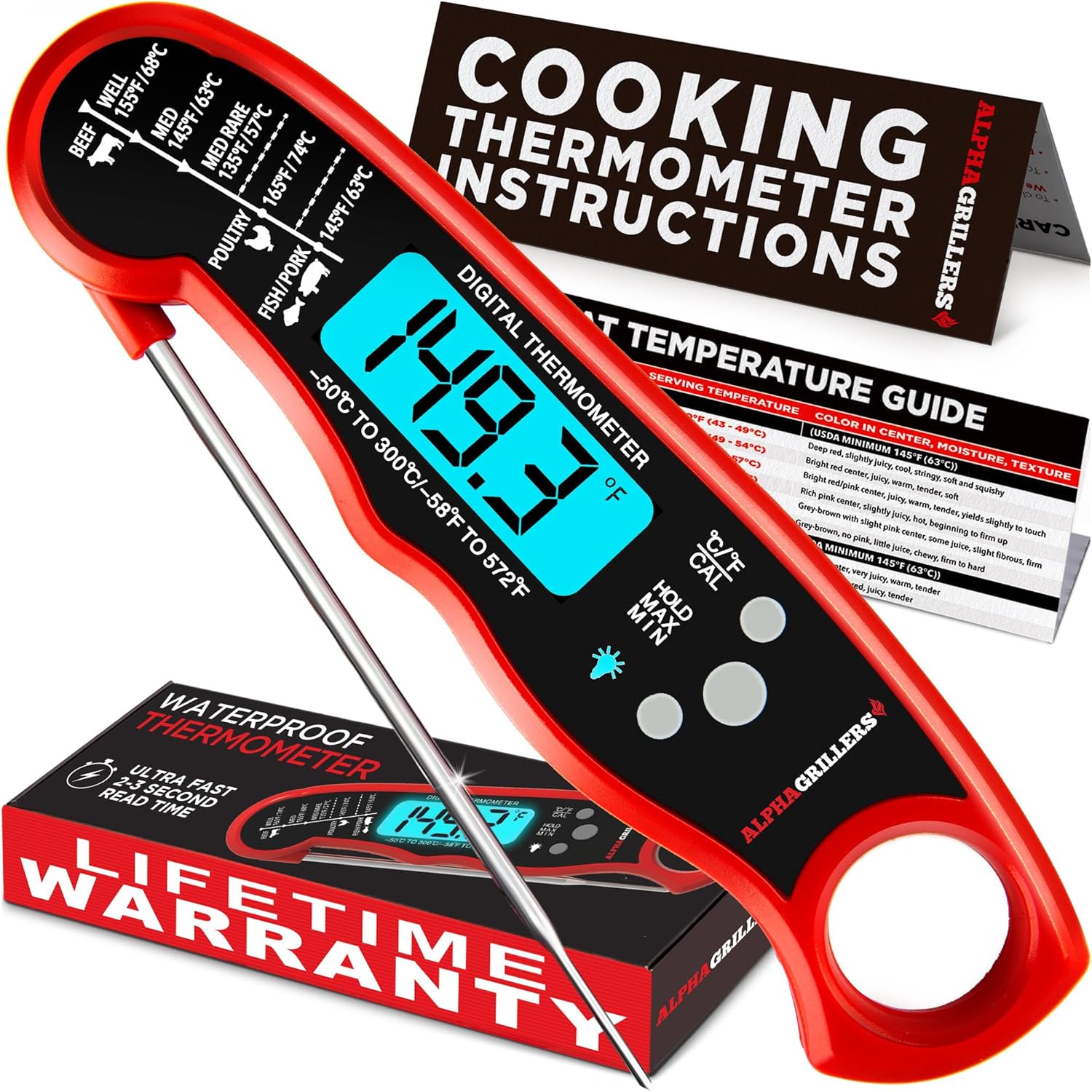
Our Pick: Alpha Grillers Instant Read Thermometer
Waterproof, backlit & reads in 2–3 seconds. The best way to hit perfect doneness every time.
As an Amazon Associate we earn from qualifying purchases.