Back, between the shoulder and the hip
Pork Loin: Complete Guide to Pork Pork Loin Cuts
The loin runs along the back of the pig from the shoulder to the hip and is the source of the most tender, leanest pork cuts, comparable to beef's short loin. It yields the pork chop family, tenderloin, and roasts like the crown roast. Because it's lean, the loin is prone to drying out if overcooked and benefits from brining or careful temperature control.
Lean, fine-grained, and mild in flavor with minimal marbling. The tenderloin, a separate muscle tucked beneath the loin near the spine, is the single most tender cut on the entire pig. Best cooked to 145°F for juiciness.
What Cuts Come from the Pork Loin?
The pork loin is broken down into 5 retail cuts, each with distinct texture, fat content, and ideal cooking method.
Center-Cut Pork Chop
midThe classic bone-in or boneless chop cut from the middle of the loin, containing a section of the loin muscle and sometimes a piece of tenderloin (T-bone style).
Also known as: Loin Chop, T-Bone Pork Chop
Typical weight: 0.5-0.75 lb per chop
Pork Tenderloin
midA long, narrow, boneless muscle from beneath the loin near the spine, prized as the single most tender cut on the pig. Cooks quickly and dries out easily if overdone.
Also known as: Pork Filet
Typical weight: 0.75-1.5 lbs
Rib Chop
midCut from the rib end of the loin nearest the shoulder, this chop includes a rib bone and slightly more marbling than the center-cut, similar to a bone-in ribeye in beef terms.
Also known as: Pork Rib Chop
Typical weight: 0.5-0.8 lb per chop
Sirloin Chop
budgetCut from the rear of the loin near the hip, this chop is slightly tougher and less uniform than center-cut chops but more economical, with good flavor.
Also known as: Pork Sirloin Steak
Typical weight: 0.4-0.6 lb per chop
Boneless Loin Roast
midA large, lean, trimmed section of the loin sold whole for roasting, often the basis for the impressive crown roast when several racks are tied together.
Also known as: Pork Loin Roast, Crown Roast (bone-in)
Typical weight: 2-5 lbs
What Are the Best Pork Loin Recipes?
These 5 recipes show the best ways to cook pork pork loin, from weeknight fast to weekend-long projects.
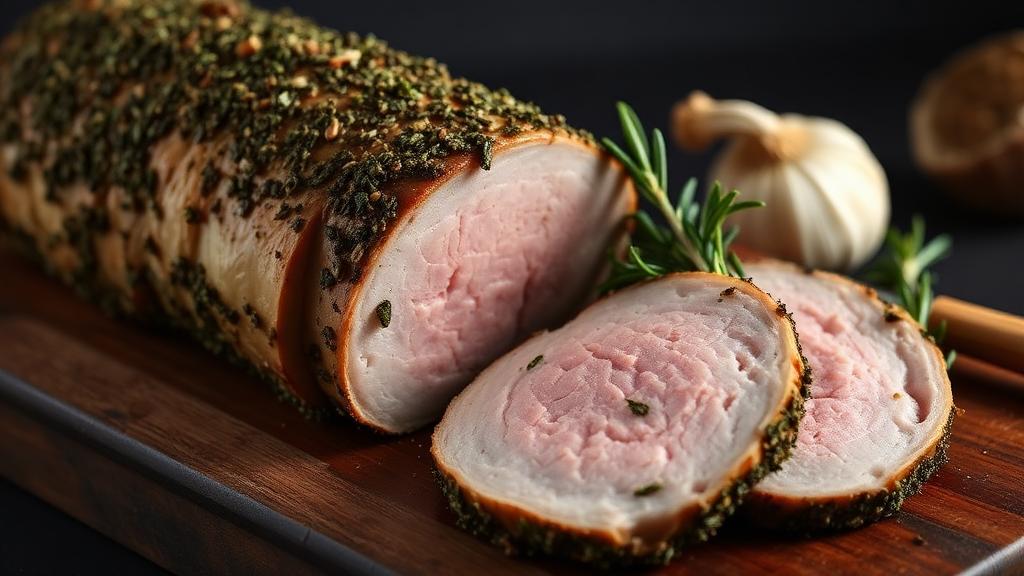
Herb-Crusted Roast Pork Loin
A boneless pork loin roast coated in a garlic and fresh herb crust, roasted to juicy perfection with a simple pan sauce.

Grilled Pork Loin with Peach Glaze
Boneless pork loin grilled over direct and indirect heat and basted with a sweet-tangy peach glaze for a summery, caramelized dinner.

Crispy Pork Schnitzel
Thin pork loin cutlets pounded tender, breaded, and pan-fried until golden and crackling crisp, finished with a squeeze of fresh lemon.

Chinese Sweet and Sour Pork
Crispy battered pork loin tossed in a glossy homemade sweet and sour sauce with bell peppers and pineapple for a better-than-takeout classic.

Apple and Sage Stuffed Pork Loin
A pork loin butterflied and rolled around a sweet-savory apple, sage, and breadcrumb stuffing, roasted until golden for a stunning fall centerpiece.
What Are the Best Ways to Cook Pork Loin?
Pork Loin responds best to these methods. Each one draws out a different quality of the cut.
Popular dishes made from Pork Loin
- • Herb-Crusted Pork Loin
- • Stuffed Pork Chops
- • Tonkatsu
- • Crown Roast of Pork
Pork Loin Questions, Answered
What is pork loin?
Pork loin is a large, lean cut running along the pig's back from the shoulder to the hip. It's the source of pork chops, the tenderloin, and roasts, prized for its mild flavor and tenderness compared to more heavily worked cuts like the shoulder.
What's the difference between pork loin and pork tenderloin?
Pork loin is a wide, longer cut used for chops and roasts, while pork tenderloin is a separate, much smaller and narrower muscle tucked beneath the loin near the spine. Tenderloin is more tender and cooks faster than a loin roast.
What temperature should pork loin be cooked to?
The USDA recommends cooking whole pork cuts, including pork loin and chops, to 145°F internal temperature followed by a 3-minute rest. This yields juicy, safely cooked pork with a slight blush of pink that is normal and expected.
How do I keep pork loin from drying out?
Because pork loin is very lean, avoid overcooking past 145°F, use a meat thermometer rather than guessing, and consider brining beforehand. Resting the roast for several minutes after cooking also lets juices redistribute instead of running out when sliced.
Is pork tenderloin the most tender cut of pork?
Yes, pork tenderloin is widely considered the single most tender cut on the pig, comparable to beef tenderloin. It comes from a muscle that does very little work, resulting in fine grain and minimal connective tissue.
Guides for Cooking Pork
Temperatures, buying, brining and butchery fundamentals that apply to this cut.
Pork Temperature Guide: Safe and Perfect Doneness
The correct internal temperatures for pork chops, roasts, ribs, and ground pork, plus resting times and how to use a thermometer.
How to Choose Pork Chops: A Buyer's Guide
Learn to pick the right pork chop cut, thickness, and marbling for your recipe, from bone-in rib chops to lean boneless loin chops.
Pork Ribs Guide: Baby Back vs. Spare Ribs and How to Cook Them
A complete guide to baby back, spare, and St. Louis-style pork ribs, including how to choose, trim, and cook them to fall-off-the-bone tenderness.
Brining and Curing Pork: Wet Brines, Dry Brines, and Cures Explained
Learn how wet brining, dry brining, and curing improve pork's moisture and flavor, with ratios, times, and safety tips for chops, roasts, and bacon.
Buying and Grading Pork: What Labels Actually Mean
Understand pork quality labels like heritage breed, organic, and enhanced, plus how to spot fresh pork and pick the right cut at the store.
Pork Cooking Methods Guide: Matching Technique to Cut
A guide to roasting, grilling, braising, pan-searing, and smoking pork, with the best cuts and temperatures for each method.
How Does Pork Loin Compare to Other Pork Cuts?
Explore the rest of the pig to find the right cut for your next meal.
Pork Shoulder (Boston Butt)
Upper Front Shoulder, above the front leg
Picnic Shoulder
Lower Front Shoulder, above the foreleg
Pork Belly
Underside of the pig, below the loin and ribs
Spare Ribs
Belly side of the rib cage, below the loin
Ham (Fresh Ham / Leg)
Hind Leg
Pork Hock (Ham Hock)
Ankle joint of the front or hind leg
Pork Jowl
Cheek