Underside of the pig, below the loin and ribs
Pork Belly: Complete Guide to Pork Pork Belly Cuts
Pork belly is the fatty, boneless cut from the underside of the pig, running from below the loin to the flank. It's the source of bacon after curing and smoking, and is increasingly popular served fresh, braised or roasted until the fat renders and the skin crisps. Its high fat-to-meat ratio makes it exceptionally rich and forgiving to cook.
Alternating layers of fat and lean meat give pork belly its signature richness and self-basting quality. Uncured, it's soft and fatty; cured and smoked, it becomes bacon. The skin, if left on, crisps into crackling when roasted at high heat.
What Cuts Come from the Pork Belly?
The pork belly is broken down into 4 retail cuts, each with distinct texture, fat content, and ideal cooking method.
Fresh Pork Belly Slab
midThe full, uncured slab of belly, sold skin-on or skinless, used for braising or roasting whole before curing or slicing into portions.
Also known as: Fresh Side Pork
Typical weight: 8-14 lbs (whole slab)
Sliced Bacon
midBelly that has been cured with salt, sugar, and nitrites, then smoked and sliced. The most widely consumed pork product in the US, ranging from thin-cut to thick-cut.
Also known as: Streaky Bacon, American Bacon
Typical weight: 12-16 oz packages
Uncured Belly Strips
midBelly sliced into bacon-width strips but sold fresh and uncured, allowing for custom curing, glazing, or direct braising and pan-rendering.
Also known as: Fresh Side Strips
Typical weight: 1-2 lbs packages
Pork Belly Cubes
midBelly pre-cut into cubes for braises and stews, offering a convenient way to get that fatty, self-basting richness in dishes like Filipino adobo or Korean bossam.
Also known as: Diced Pork Belly
Typical weight: 1-1.5 lbs packages
What Are the Best Pork Belly Recipes?
These 5 recipes show the best ways to cook pork pork belly, from weeknight fast to weekend-long projects.
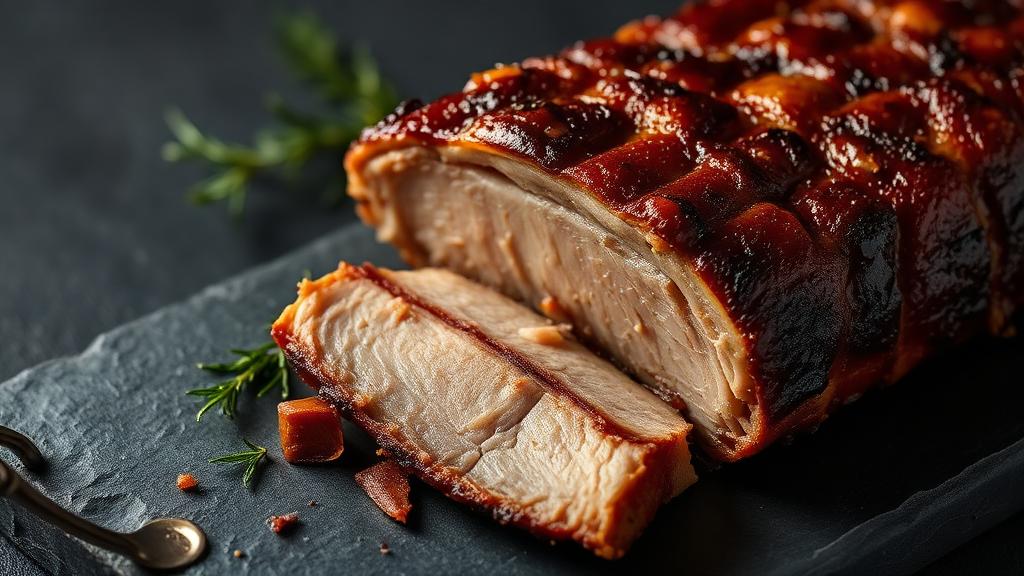
Crispy Roast Pork Belly
Pork belly slow-roasted with a dry-brined, air-dried skin for maximum crackling crunch over tender, juicy meat underneath.

Chinese Red-Braised Pork Belly (Hong Shao Rou)
Pork belly cubes braised in a rich soy, rock sugar, and star anise sauce until glossy, tender, and deeply flavored — a Chinese home-cooking classic.

Smoked Pork Belly Burnt Ends
Pork belly cubed, seasoned, smoked, and finished in a sticky barbecue glaze for meltingly tender, candy-like burnt ends bursting with smoky sweetness.

Korean Grilled Pork Belly (Samgyeopsal)
Thick-cut pork belly slices grilled tableside Korean-style and wrapped in lettuce with garlic, ssamjang, and kimchi for an interactive feast.

Braised Pork Belly Chashu for Ramen
Pork belly rolled, tied, and braised in a soy-mirin broth until silky and tender, then torched or seared for the ultimate ramen topping.
What Are the Best Ways to Cook Pork Belly?
Pork Belly responds best to these methods. Each one draws out a different quality of the cut.
Popular dishes made from Pork Belly
- • Bacon
- • Braised Pork Belly
- • Pork Belly Ramen
- • Crispy Pork Belly (Lechon Kawali)
Pork Belly Questions, Answered
What is pork belly?
Pork belly is the fatty, boneless cut from the underside of the pig, located below the loin and ribs. It's the cut used to make bacon once cured and smoked, and is also served fresh, braised or roasted until crisp.
Is pork belly the same thing as bacon?
Bacon is made from pork belly, but not all pork belly is bacon. Fresh pork belly is uncured and uncooked, while bacon is belly that has been cured with salt, sugar and nitrites, then usually smoked and sliced.
How do you get crispy skin on pork belly?
Score the skin, pat it very dry (chilling uncovered in the fridge overnight helps), salt it generously, and roast at a low temperature to render the fat, then finish at 450-475°F until the skin puffs and crackles into crisp crackling.
What temperature should pork belly reach when cooked?
For sliced, roasted pork belly served as a whole-muscle cut, 145°F with a 3-minute rest meets USDA safety guidelines, though many recipes cook it well beyond that, to 190°F or higher, for a more tender, meltingly soft texture.
Is pork belly healthy?
Pork belly is high in fat and calories compared to leaner cuts like loin or tenderloin, so it's best enjoyed in moderation. It does provide protein, B vitamins and minerals, but should be considered an indulgent cut rather than an everyday lean protein.
Guides for Cooking Pork
Temperatures, buying, brining and butchery fundamentals that apply to this cut.
Pork Temperature Guide: Safe and Perfect Doneness
The correct internal temperatures for pork chops, roasts, ribs, and ground pork, plus resting times and how to use a thermometer.
How to Choose Pork Chops: A Buyer's Guide
Learn to pick the right pork chop cut, thickness, and marbling for your recipe, from bone-in rib chops to lean boneless loin chops.
Pork Ribs Guide: Baby Back vs. Spare Ribs and How to Cook Them
A complete guide to baby back, spare, and St. Louis-style pork ribs, including how to choose, trim, and cook them to fall-off-the-bone tenderness.
Brining and Curing Pork: Wet Brines, Dry Brines, and Cures Explained
Learn how wet brining, dry brining, and curing improve pork's moisture and flavor, with ratios, times, and safety tips for chops, roasts, and bacon.
Buying and Grading Pork: What Labels Actually Mean
Understand pork quality labels like heritage breed, organic, and enhanced, plus how to spot fresh pork and pick the right cut at the store.
Pork Cooking Methods Guide: Matching Technique to Cut
A guide to roasting, grilling, braising, pan-searing, and smoking pork, with the best cuts and temperatures for each method.
How Does Pork Belly Compare to Other Pork Cuts?
Explore the rest of the pig to find the right cut for your next meal.
Pork Shoulder (Boston Butt)
Upper Front Shoulder, above the front leg
Picnic Shoulder
Lower Front Shoulder, above the foreleg
Pork Loin
Back, between the shoulder and the hip
Spare Ribs
Belly side of the rib cage, below the loin
Ham (Fresh Ham / Leg)
Hind Leg
Pork Hock (Ham Hock)
Ankle joint of the front or hind leg
Pork Jowl
Cheek