Hind Leg
Ham (Fresh Ham / Leg): Complete Guide to Pork Ham (Fresh Ham / Leg) Cuts
Ham refers to the hind leg of the pig, whether sold fresh (uncured) or, far more commonly, cured and often smoked into the familiar deli and holiday ham. A fresh ham is essentially a large, lean roast, while cured hams (bone-in, spiral-cut, or boneless) are pre-cooked or ready-to-cook and are a centerpiece for holiday tables.
Large, lean, and dense muscle with a thin fat cap. Fresh ham tastes like a mild, meaty pork roast, while curing with salt, sugar and nitrites transforms it into the pink, savory-sweet product most people know as ham. Whole legs can weigh 15-20 lbs.
What Cuts Come from the Ham (Fresh Ham / Leg)?
The ham (fresh ham / leg) is broken down into 5 retail cuts, each with distinct texture, fat content, and ideal cooking method.
Spiral-Cut Ham
midA fully cooked, bone-in ham pre-sliced in a spiral pattern around the bone for easy serving, typically glazed and reheated whole for holiday meals.
Also known as: Holiday Ham
Typical weight: 7-10 lbs
Ham Steak
budgetA cross-cut slice from a cured, bone-in ham, quick to pan-fry or grill for a fast weeknight meal with classic smoky-sweet ham flavor.
Also known as: Ham Slice
Typical weight: 0.5-1 lb per steak
Shank End Ham
budgetThe lower portion of the leg nearer the hock, with a more pronounced bone structure and a slightly firmer texture but excellent flavor, often the better value half.
Also known as: Shank Half
Typical weight: 4-6 lbs
Butt End Ham
midThe upper portion of the leg, meatier and easier to carve than the shank end because of its more uniform, rounder shape and less bone.
Also known as: Rump Half
Typical weight: 4-6 lbs
Fresh (Uncured) Ham Roast
midAn uncured cut from the hind leg sold and cooked like a large pork roast rather than a cured ham, with a milder, purely porky flavor.
Also known as: Fresh Leg of Pork
Typical weight: 8-16 lbs
What Are the Best Ham (Fresh Ham / Leg) Recipes?
These 5 recipes show the best ways to cook pork ham (fresh ham / leg), from weeknight fast to weekend-long projects.
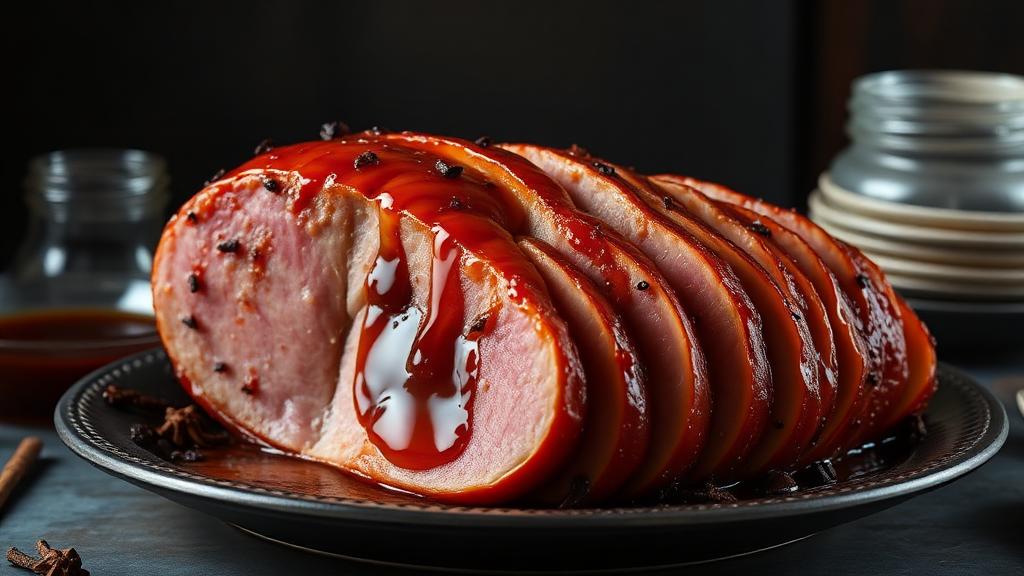
Classic Honey Glazed Ham
A juicy, spiral-cut ham brushed with a sticky honey-brown sugar glaze. The perfect centerpiece for holiday tables and Sunday dinners.

Brown Sugar and Mustard Baked Ham
A tangy, sweet baked ham with a mustard-forward glaze that balances rich pork with sharp acidity. A crowd-pleasing holiday classic.

Slow Cooker Pineapple Brown Sugar Ham
Set-it-and-forget-it slow cooker ham simmered in pineapple juice and brown sugar for a sweet, tropical glaze with almost no effort.

Roast Fresh Ham with Garlic and Herbs
An uncured fresh ham roasted low and slow with garlic, rosemary, and sage until the skin crackles and the meat is juicy throughout.

Grilled Ham Steaks with Maple Glaze
Quick-cooking ham steaks grilled and brushed with a maple-mustard glaze, ready in under 20 minutes for an easy weeknight dinner.
What Are the Best Ways to Cook Ham (Fresh Ham / Leg)?
Ham (Fresh Ham / Leg) responds best to these methods. Each one draws out a different quality of the cut.
Popular dishes made from Ham (Fresh Ham / Leg)
- • Holiday Baked Ham
- • Ham Steak with Red-Eye Gravy
- • Split Pea Soup with Ham
- • Cuban Sandwich
Ham (Fresh Ham / Leg) Questions, Answered
What is ham?
Ham is the cut from the pig's hind leg, most often cured, smoked, and sold fully or partially cooked. It can also be sold 'fresh,' meaning uncured, in which case it is simply a large lean roast rather than the pink, cured product typically associated with the name.
What's the difference between fresh ham and regular ham?
Fresh ham is uncured pork from the hind leg with a mild flavor similar to a large pork roast, while regular (cured) ham has been treated with salt, sugar, and nitrites, and often smoked, giving it the characteristic pink color and savory, salty-sweet taste.
Do you need to cook a spiral-cut ham?
Most spiral-cut hams sold in stores are fully cooked and only need reheating to an internal temperature of 140°F, following USDA guidance for pre-cooked ham. Check the label, since some hams are sold 'cook before eating' and require cooking to 145°F.
What temperature should fresh ham be cooked to?
Fresh, uncured ham should be cooked to the USDA's recommended 145°F internal temperature for whole pork cuts, followed by a 3-minute rest before carving, the same standard that applies to pork loin and chops.
What's the difference between shank end and butt end ham?
The shank end is the lower leg portion near the hock, with a more tapered shape and a bit more bone and connective tissue, while the butt end is the upper, rounder portion that is meatier and easier to carve into uniform slices.
Guides for Cooking Pork
Temperatures, buying, brining and butchery fundamentals that apply to this cut.
Pork Temperature Guide: Safe and Perfect Doneness
The correct internal temperatures for pork chops, roasts, ribs, and ground pork, plus resting times and how to use a thermometer.
How to Choose Pork Chops: A Buyer's Guide
Learn to pick the right pork chop cut, thickness, and marbling for your recipe, from bone-in rib chops to lean boneless loin chops.
Pork Ribs Guide: Baby Back vs. Spare Ribs and How to Cook Them
A complete guide to baby back, spare, and St. Louis-style pork ribs, including how to choose, trim, and cook them to fall-off-the-bone tenderness.
Brining and Curing Pork: Wet Brines, Dry Brines, and Cures Explained
Learn how wet brining, dry brining, and curing improve pork's moisture and flavor, with ratios, times, and safety tips for chops, roasts, and bacon.
Buying and Grading Pork: What Labels Actually Mean
Understand pork quality labels like heritage breed, organic, and enhanced, plus how to spot fresh pork and pick the right cut at the store.
Pork Cooking Methods Guide: Matching Technique to Cut
A guide to roasting, grilling, braising, pan-searing, and smoking pork, with the best cuts and temperatures for each method.
How Does Ham (Fresh Ham / Leg) Compare to Other Pork Cuts?
Explore the rest of the pig to find the right cut for your next meal.
Pork Shoulder (Boston Butt)
Upper Front Shoulder, above the front leg
Picnic Shoulder
Lower Front Shoulder, above the foreleg
Pork Loin
Back, between the shoulder and the hip
Pork Belly
Underside of the pig, below the loin and ribs
Spare Ribs
Belly side of the rib cage, below the loin
Pork Hock (Ham Hock)
Ankle joint of the front or hind leg
Pork Jowl
Cheek