Lower Front Shoulder, above the foreleg
Picnic Shoulder: Complete Guide to Pork Picnic Shoulder Cuts
The picnic shoulder sits below the Boston butt, extending down toward the front leg (foreleg). It contains more connective tissue, skin, and bone than the butt, including the shank portion, which makes it slightly less tender but no less flavorful. Often sold with skin on for cracklings, it's a budget-friendly workhorse cut popular for whole-hog style roasting.
Coarser-grained and slightly tougher than the Boston butt due to more connective tissue and a thicker fat cap, but it rewards slow cooking with deep flavor. Often sold skin-on and bone-in for roasting whole. Typically 5-8 lbs.
What Cuts Come from the Picnic Shoulder?
The picnic shoulder is broken down into 4 retail cuts, each with distinct texture, fat content, and ideal cooking method.
Picnic Roast
budgetThe whole lower shoulder roast, often sold skin-on and bone-in. Slow roasting renders the thick fat cap and crisps the skin into cracklings.
Also known as: Pork Picnic, Picnic Ham (fresh)
Typical weight: 5-8 lbs
Smoked Picnic Ham
budgetCured and smoked like a ham, this budget-friendly alternative to true ham has a similar smoky-savory flavor at a lower price point due to more connective tissue.
Also known as: Cottage Ham
Typical weight: 4-7 lbs
Arm Roast
budgetA boneless portion cut from the front of the picnic near the shank, leaner than the butt end but still flavorful when braised.
Also known as: Picnic Arm Roast
Typical weight: 2-4 lbs
Picnic Shank
budgetThe lower foreleg portion of the picnic, rich in connective tissue and often smoked, similar in use to a ham hock but slightly meatier.
Also known as: Foreshank
Typical weight: 1-2 lbs
What Are the Best Picnic Shoulder Recipes?
These 5 recipes show the best ways to cook pork picnic shoulder, from weeknight fast to weekend-long projects.
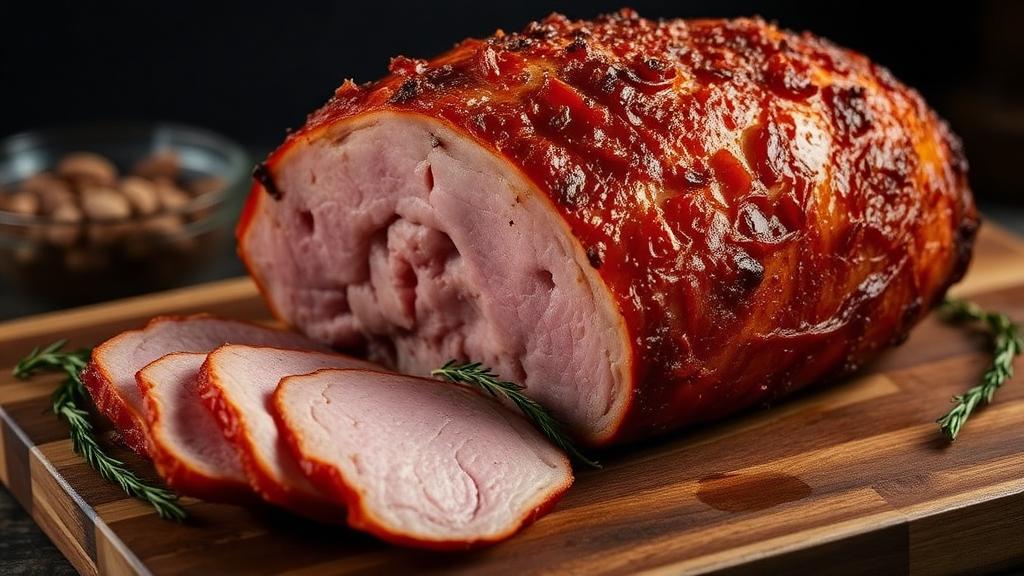
Brined and Roasted Picnic Ham
Picnic shoulder brined overnight for extra moisture, then slow-roasted with a honey mustard glaze for a budget-friendly holiday-style ham.

Filipino Pork Adobo
Picnic shoulder braised in soy sauce, vinegar, garlic, and bay leaves for the tangy, savory Filipino classic that only improves with time.

Pork Posole Rojo
A deeply spiced red chile pork and hominy stew made from picnic shoulder simmered until tender, garnished with cabbage, radish, and lime.

Herb-Stuffed Porchetta-Style Picnic Roast
Boneless picnic shoulder butterflied, stuffed with garlic, fennel, and rosemary, then rolled and roasted for crackling skin and juicy, herbed meat.

Jamaican Jerk Pork Picnic Roast
Picnic shoulder marinated in a fiery scotch bonnet jerk paste and slow-grilled over indirect heat for smoky, spicy Jamaican-style pork.
What Are the Best Ways to Cook Picnic Shoulder?
Picnic Shoulder responds best to these methods. Each one draws out a different quality of the cut.
Popular dishes made from Picnic Shoulder
- • Slow-Roasted Pernil
- • Pork Rillettes
- • Kalua Pork
- • Picnic Ham
Picnic Shoulder Questions, Answered
What is a picnic shoulder?
Picnic shoulder is the lower portion of the pig's front shoulder, located below the Boston butt and above the foreleg. It contains more bone, skin, and connective tissue than the butt, making it slightly less tender but well suited to slow roasting and smoking.
Is picnic shoulder the same as pork shoulder?
Picnic shoulder is part of the larger pork shoulder primal, but specifically the lower section nearer the leg, while 'Boston butt' refers to the upper section. Both are commonly labeled 'pork shoulder' at the store, so check the specific cut name for clarity.
How do you get crispy skin on a picnic roast?
Score the skin in a crosshatch pattern, dry it thoroughly, and salt it well in advance. Roast the picnic low and slow until tender, then raise the oven temperature to 450-475°F for the final 20-30 minutes to blister and crisp the skin.
What internal temperature is safe for picnic shoulder?
The USDA minimum safe temperature for whole pork cuts is 145°F with a 3-minute rest, but picnic shoulder is typically cooked much higher, to 195-205°F, so the abundant connective tissue breaks down for tender, shreddable meat.
Is picnic shoulder good for pulled pork?
Yes, picnic shoulder makes excellent pulled pork, though it yields slightly less tender meat than the Boston butt due to more connective tissue and bone. Many barbecue cooks use it interchangeably with the butt, often combining both for whole-hog style cooks.
Guides for Cooking Pork
Temperatures, buying, brining and butchery fundamentals that apply to this cut.
Pork Temperature Guide: Safe and Perfect Doneness
The correct internal temperatures for pork chops, roasts, ribs, and ground pork, plus resting times and how to use a thermometer.
How to Choose Pork Chops: A Buyer's Guide
Learn to pick the right pork chop cut, thickness, and marbling for your recipe, from bone-in rib chops to lean boneless loin chops.
Pork Ribs Guide: Baby Back vs. Spare Ribs and How to Cook Them
A complete guide to baby back, spare, and St. Louis-style pork ribs, including how to choose, trim, and cook them to fall-off-the-bone tenderness.
Brining and Curing Pork: Wet Brines, Dry Brines, and Cures Explained
Learn how wet brining, dry brining, and curing improve pork's moisture and flavor, with ratios, times, and safety tips for chops, roasts, and bacon.
Buying and Grading Pork: What Labels Actually Mean
Understand pork quality labels like heritage breed, organic, and enhanced, plus how to spot fresh pork and pick the right cut at the store.
Pork Cooking Methods Guide: Matching Technique to Cut
A guide to roasting, grilling, braising, pan-searing, and smoking pork, with the best cuts and temperatures for each method.
How Does Picnic Shoulder Compare to Other Pork Cuts?
Explore the rest of the pig to find the right cut for your next meal.
Pork Shoulder (Boston Butt)
Upper Front Shoulder, above the front leg
Pork Loin
Back, between the shoulder and the hip
Pork Belly
Underside of the pig, below the loin and ribs
Spare Ribs
Belly side of the rib cage, below the loin
Ham (Fresh Ham / Leg)
Hind Leg
Pork Hock (Ham Hock)
Ankle joint of the front or hind leg
Pork Jowl
Cheek