Belly side of the rib cage, below the loin
Spare Ribs: Complete Guide to Pork Spare Ribs Cuts
Spare ribs come from the belly side of the rib cage, below the loin ribs (baby back ribs), and include more bone, cartilage and fat than their leaner counterpart. They're flatter and longer than baby backs, and when the cartilaginous rib tips are trimmed off, the result is the neatly rectangular St. Louis-style rib. Spare ribs are a barbecue staple prized for their rich, meaty flavor.
Larger, flatter, and fattier than baby back ribs, with more connective tissue that breaks down into succulent, flavorful meat during long smoking or braising. St. Louis cut removes the sternum bone and cartilage for a uniform rack.
What Cuts Come from the Spare Ribs?
The spare ribs is broken down into 4 retail cuts, each with distinct texture, fat content, and ideal cooking method.
Full Spare Rib Rack
budgetThe whole, untrimmed rack including the rib tips and breastbone cartilage. Larger and fattier than St. Louis-cut racks, favored by pitmasters wanting maximum yield.
Also known as: Whole Spares
Typical weight: 3-4 lbs per rack
St. Louis-Style Ribs
midSpare ribs trimmed into a neat rectangle by removing the sternum bone, cartilage, and rib tips, making them easier to season and cook evenly.
Also known as: St. Louis Cut
Typical weight: 2.5-3.5 lbs per rack
Rib Tips
budgetThe trimmed cartilage-and-bone strip removed when making St. Louis ribs, chewy and cartilaginous but very flavorful when braised or slow-cooked until tender.
Also known as: Cartilage Tips
Typical weight: 0.5-1 lb per package
Riblets
budgetSpare ribs cut crosswise into short 2-3 bone segments, popular for appetizers and finger food where quick even cooking and easy handling matter.
Also known as: Cut Ribs
Typical weight: 1-2 lbs per package
What Are the Best Spare Ribs Recipes?
These 5 recipes show the best ways to cook pork spare ribs, from weeknight fast to weekend-long projects.
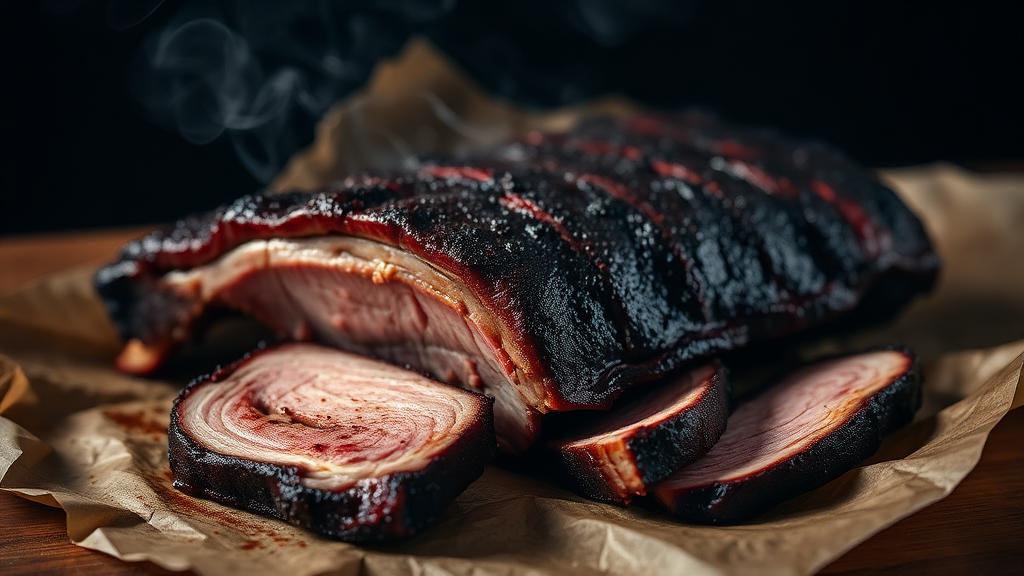
Smoked St. Louis-Style Spare Ribs
Low-and-slow smoked St. Louis spare ribs with a sticky barbecue glaze and deep smoke ring. A backyard classic worth the wait.

Korean Braised Galbi-Style Spare Ribs
Sweet, garlicky, sesame-forward braised spare ribs inspired by Korean galbi jjim. Fork-tender ribs in a glossy soy-based sauce.

Dry-Rubbed Oven-Baked Spare Ribs
No smoker needed: these oven-baked spare ribs get fall-off-the-bone tender with a simple foil-braise method and a bold spice rub.

Chinese Five-Spice Sticky Spare Ribs
Sticky, aromatic Chinese-style spare ribs marinated in five-spice, hoisin, and soy, then roasted until deeply caramelized.

Instant Pot Spare Ribs with Quick Broiler Finish
Fall-off-the-bone spare ribs in under an hour using a pressure cooker, finished under the broiler for caramelized barbecue flavor.
What Are the Best Ways to Cook Spare Ribs?
Spare Ribs responds best to these methods. Each one draws out a different quality of the cut.
Popular dishes made from Spare Ribs
- • BBQ Spare Ribs
- • Chinese Sweet & Sour Ribs
- • Braised Rib Tips
- • Smoked St. Louis Ribs
Spare Ribs Questions, Answered
What are spare ribs?
Spare ribs come from the belly side of the pig's rib cage, below the loin ribs. They are longer, flatter, and fattier than baby back ribs, with more connective tissue and cartilage, and are a classic barbecue cut known for rich, meaty flavor.
What is the difference between spare ribs and baby back ribs?
Spare ribs come from lower on the rib cage near the belly and are larger, flatter, and fattier, while baby back ribs come from higher up near the loin and are shorter, leaner, and more curved. Baby backs also cook faster and are typically more tender and pricier.
What are St. Louis-style ribs?
St. Louis-style ribs are spare ribs with the rib tips, cartilage, and sternum bone trimmed away, leaving a neat, rectangular rack that cooks more evenly and is easier to season than a full, untrimmed spare rib rack.
What temperature are spare ribs done?
While the USDA safe minimum for pork is 145°F, spare ribs are typically cooked to 195-203°F internal so the connective tissue and collagen fully render, producing the tender, easily pulled-apart texture associated with great barbecue ribs.
How long does it take to smoke spare ribs?
Spare ribs typically take 5-6 hours at 225-250°F, often using the popular '3-2-1 method' — 3 hours smoking unwrapped, 2 hours wrapped in foil, and 1 final hour unwrapped with sauce to set the glaze.
Guides for Cooking Pork
Temperatures, buying, brining and butchery fundamentals that apply to this cut.
Pork Temperature Guide: Safe and Perfect Doneness
The correct internal temperatures for pork chops, roasts, ribs, and ground pork, plus resting times and how to use a thermometer.
How to Choose Pork Chops: A Buyer's Guide
Learn to pick the right pork chop cut, thickness, and marbling for your recipe, from bone-in rib chops to lean boneless loin chops.
Pork Ribs Guide: Baby Back vs. Spare Ribs and How to Cook Them
A complete guide to baby back, spare, and St. Louis-style pork ribs, including how to choose, trim, and cook them to fall-off-the-bone tenderness.
Brining and Curing Pork: Wet Brines, Dry Brines, and Cures Explained
Learn how wet brining, dry brining, and curing improve pork's moisture and flavor, with ratios, times, and safety tips for chops, roasts, and bacon.
Buying and Grading Pork: What Labels Actually Mean
Understand pork quality labels like heritage breed, organic, and enhanced, plus how to spot fresh pork and pick the right cut at the store.
Pork Cooking Methods Guide: Matching Technique to Cut
A guide to roasting, grilling, braising, pan-searing, and smoking pork, with the best cuts and temperatures for each method.
How Does Spare Ribs Compare to Other Pork Cuts?
Explore the rest of the pig to find the right cut for your next meal.
Pork Shoulder (Boston Butt)
Upper Front Shoulder, above the front leg
Picnic Shoulder
Lower Front Shoulder, above the foreleg
Pork Loin
Back, between the shoulder and the hip
Pork Belly
Underside of the pig, below the loin and ribs
Ham (Fresh Ham / Leg)
Hind Leg
Pork Hock (Ham Hock)
Ankle joint of the front or hind leg
Pork Jowl
Cheek