Brined and Roasted Picnic Ham
Cut used: Picnic Shoulder pork →
Prep
30 min plus overnight brining
Cook
4 hrs
Total
4 hrs 30 min plus brining
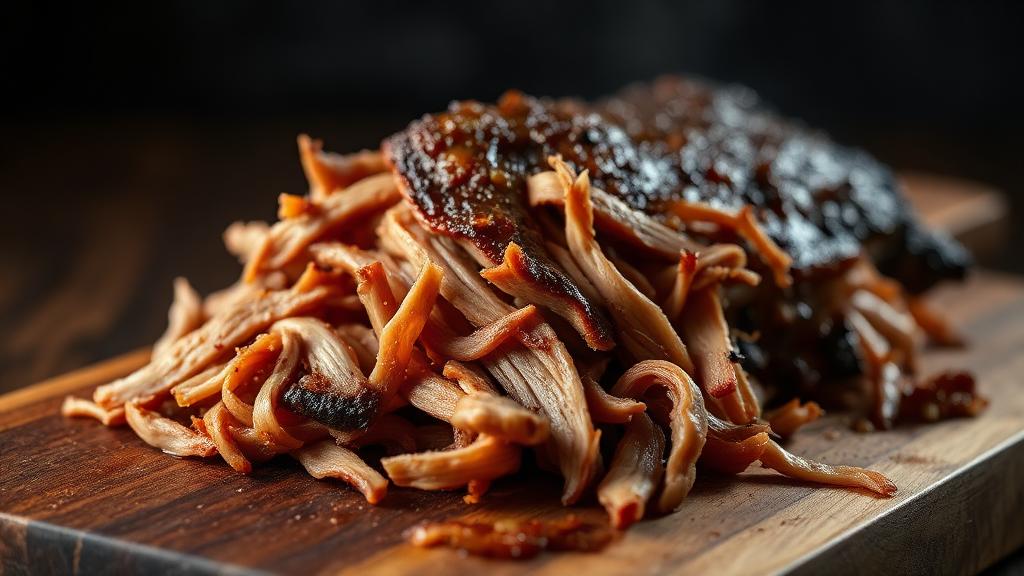
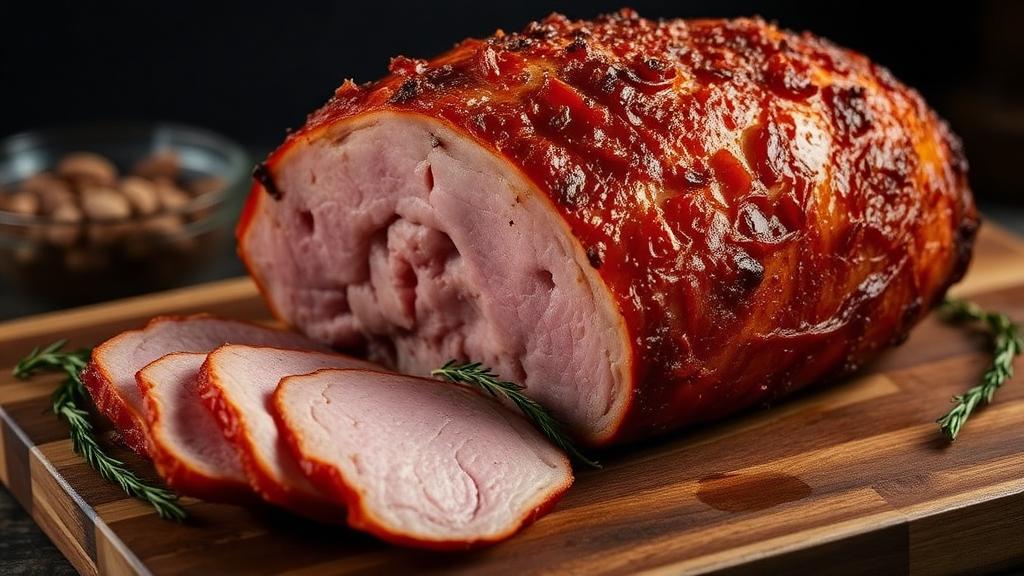
The picnic shoulder, sometimes labeled 'fresh picnic ham,' has more connective tissue and skin than the leg cuts typically sold as ham, but a wet brine and slow roast turn it into a remarkably juicy, flavorful roast at a fraction of the price. The overnight brine seasons the meat throughout and helps it stay moist through the long cook. A honey mustard glaze in the final stretch builds a lacquered, caramelized crust.
What Ingredients Do You Need?
- 7 lbs Picnic shoulder, skin-on
- 3/4 cup Kosher salt
- 1/2 cup Brown sugar
- 1 gallon Water
- 4 Bay leaves
- 2 tbsp Whole peppercorns
- 6 Garlic cloves, smashed
- 1/2 cup Honey
- 1/3 cup Dijon mustard
- 2 tbsp Apple cider vinegar
- 1 tbsp, for studding Whole cloves
How Do You Make Brined and Roasted Picnic Ham?
- 1
Make the brine
Dissolve salt and brown sugar in water along with bay leaves, peppercorns, and garlic. Cool completely before using.
- 2
Brine the shoulder
Submerge the picnic shoulder fully in the brine, weighing it down if necessary, and refrigerate for 12-18 hours.
- 3
Score the skin
Remove the pork from the brine, pat dry, and score the skin in a diamond pattern, then stud the intersections with whole cloves.
- 4
Slow roast
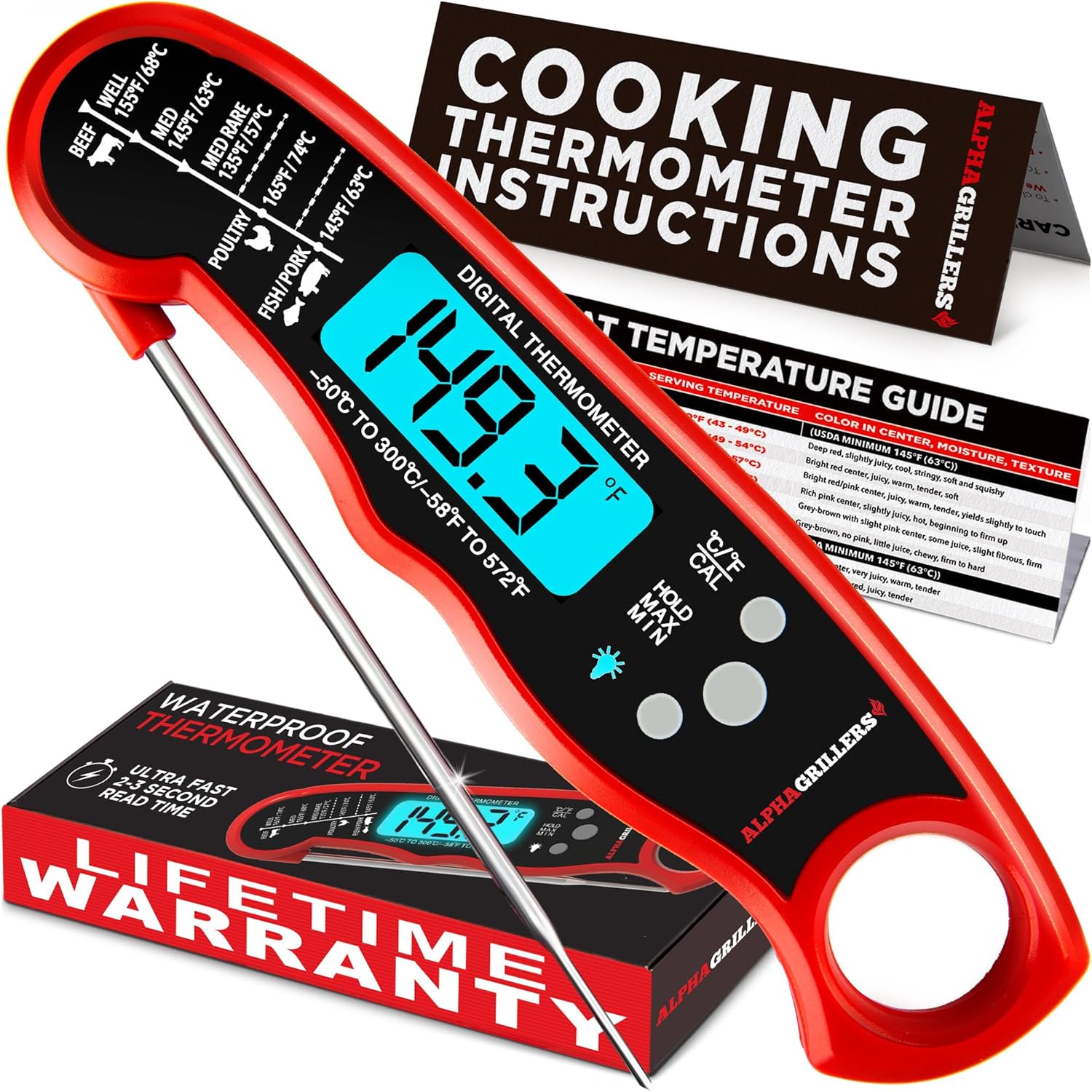
Roast at 325°F on a rack in a roasting pan for about 3.5 hours, or roughly 25-28 minutes per pound, until internal temperature nears 195°F for maximum tenderness.
- 5
Glaze
Whisk honey, Dijon mustard, and apple cider vinegar together. Brush generously over the roast during the last 30 minutes of cooking, reapplying every 10 minutes.
- 6
Rest
Let the roast rest for 20 minutes before carving to allow juices to redistribute.
- 7
Carve and serve
Slice thinly against the grain and serve with the pan drippings spooned over the top.
What Are the Pro Tips for This Recipe?
- 💡 Weigh the shoulder down in the brine with a plate so it stays fully submerged.
- 💡 Scoring the skin helps the glaze penetrate and the fat render more evenly.
- 💡 This cooks past typical 145°F safe temperature intentionally, since the higher collagen content needs the extra time to become tender.
- 💡 Leftovers make excellent sandwiches or diced additions to soups.