Upper leg, between the hip joint and the knee
Thigh: Complete Guide to Chicken Thigh Cuts
The thigh is the upper part of the chicken's leg, a hardworking muscle group that supports the bird's weight and movement. This constant use builds more connective tissue and intramuscular fat than the breast, giving thigh meat a deeper, richer flavor and a texture that stays moist even when cooked well past 165°F. Sold bone-in or boneless, skin-on or skinless, thighs are prized by cooks for their forgiving nature and superior flavor, and they are a staple of braises, grilled dishes, and roasted dinners worldwide.
Dark, well-marbled meat with a coarser grain and noticeably richer flavor than breast meat. Very forgiving to cook and remains juicy at higher internal temperatures.
What Cuts Come from the Thigh?
The thigh is broken down into 4 retail cuts, each with distinct texture, fat content, and ideal cooking method.
Boneless Skinless Thigh
budgetDeboned, skinned thigh meat that cooks quickly while retaining more moisture and flavor than boneless breast.
Also known as: BSCT, Thigh Fillet
Typical weight: 4-6 oz per piece
Bone-In Skin-On Thigh
budgetThigh left whole with bone and skin intact, delivering maximum flavor and crisp-skin potential, especially in the oven or on the grill.
Also known as: Chicken Thigh Quarters (thigh only)
Typical weight: 5-7 oz per piece
Deboned Thigh Fillet
midThigh meat with bone removed but skin left attached, opened flat, giving even thickness for pan-searing crisp skin.
Also known as: Skin-On Boneless Thigh
Typical weight: 4-6 oz per piece
Leg Quarter
budgetThe thigh and drumstick left connected as one piece, sometimes with a portion of the back attached, offering great value dark meat.
Also known as: Chicken Leg Quarters, Whole Leg
Typical weight: 10-14 oz per piece
What Are the Best Thigh Recipes?
These 5 recipes show the best ways to cook chicken thigh, from weeknight fast to weekend-long projects.
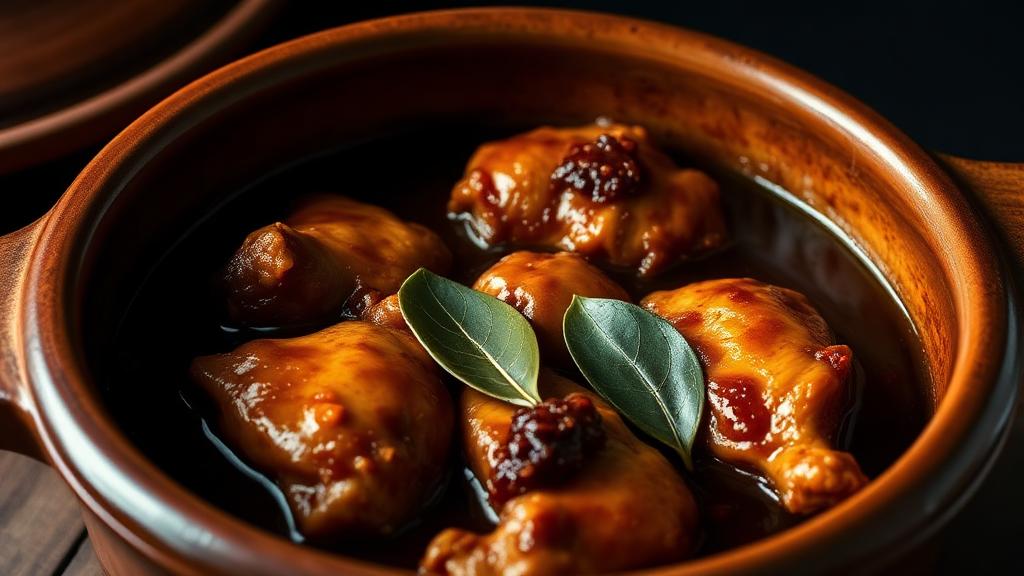
Filipino Chicken Thigh Adobo
Classic Filipino chicken adobo made with bone-in thighs braised in soy sauce, vinegar, garlic, and bay leaves until deeply savory and tender.

Crispy Skin Pan-Seared Chicken Thighs
Bone-in, skin-on chicken thighs seared low and slow in a skillet for shatteringly crisp skin and juicy, tender meat, no oven required.

Chicken Thigh Tikka Masala
Boneless chicken thighs marinated in yogurt and spices, seared, then simmered in a creamy, spiced tomato sauce for a rich homemade tikka masala.

Korean Braised Chicken Thighs (Dak-Jjim Style)
Bone-in chicken thighs braised with potatoes, carrots, and a sweet-savory soy and gochujang sauce, inspired by Korean dak-jjim.

Sheet Pan Chicken Thighs and Potatoes
An easy one-pan dinner of bone-in chicken thighs roasted alongside baby potatoes and green beans until the skin is crisp and everything is tender.
What Are the Best Ways to Cook Thigh?
Thigh responds best to these methods. Each one draws out a different quality of the cut.
Popular dishes made from Thigh
- • Chicken Tikka Masala
- • Coq au Vin
- • Chicken Adobo
- • Braised Chicken Thighs
Thigh Questions, Answered
What temperature is chicken thigh done at?
Chicken thigh is safe to eat at 165°F, but because of its higher fat and connective tissue content, most cooks and chefs prefer to cook it to 175-185°F, where collagen fully breaks down into gelatin, resulting in a more tender, juicy texture.
Why is chicken thigh more flavorful than chicken breast?
Thighs are part of the leg, a muscle group the chicken uses constantly for standing and walking, which builds more myoglobin, fat, and connective tissue than the barely-used breast. This translates into darker meat with deeper, richer flavor.
Can you substitute chicken thighs for chicken breast in recipes?
Yes, boneless skinless thighs can generally replace breast in most recipes and are more forgiving of overcooking due to their higher fat content. They may need slightly longer cooking times and will add a richer flavor and darker color to the dish.
What's the difference between boneless and bone-in thighs?
Boneless thighs cook faster and are easier to portion and stuff, while bone-in, skin-on thighs retain more moisture and flavor during roasting or grilling and develop crispier skin, making them popular for oven-roasted and grilled preparations.
Why do chicken thighs sometimes have a dark red spot near the bone?
That dark spot is residual blood pigment (myoglobin) leaching from the bone marrow during cooking, especially common in younger birds with more porous bones. It is completely safe to eat and does not indicate undercooking if the meat has reached 165°F or higher.
Guides for Cooking Chicken
Temperatures, buying, brining and butchery fundamentals that apply to this cut.
Chicken Temperature Guide: Safe Doneness for Every Cut
The correct internal temperature for chicken breasts, thighs, wings, and whole chicken, plus why dark meat tastes best cooked hotter than 165°F.
How to Break Down a Whole Chicken Step by Step
A step-by-step guide to butchering a whole chicken into breasts, thighs, drumsticks, and wings, saving money and getting better cuts.
Brining Chicken: Wet Brine vs. Dry Brine and How Long to Brine
Learn how to wet brine or dry brine chicken breasts, thighs, and whole birds for juicier, more flavorful results, with times and salt ratios.
White Meat vs. Dark Meat: What's the Real Difference?
Why chicken breast is white and thighs are dark, how their fat, flavor, and ideal cooking temperatures differ, and which to choose for what dish.
Buying and Grading Chicken: What Labels Actually Mean
Understand USDA chicken grades and labels like free-range, organic, and air-chilled so you can choose the best chicken for your money.
Chicken Cooking Methods Guide: Matching Technique to Cut
A guide to roasting, grilling, poaching, frying, and braising chicken, with the best cuts, temperatures, and timing for each method.
How Does Thigh Compare to Other Chicken Cuts?
Explore the rest of the bird to find the right cut for your next meal.
Breast
Front of the ribcage, either side of the breastbone (keel)
Tenderloin
Underside of the breast, running alongside the keel bone
Wing
Forelimb, attached at the shoulder joint
Drumstick
Lower leg, between the knee and the ankle joint
Back
Central bony structure along the spine, beneath the breast and ribs
Whole Bird
Entire bird, including breast, legs, wings, and back
Giblets
Internal organs packaged inside the body cavity of a whole bird