Front of the ribcage, either side of the breastbone (keel)
Breast: Complete Guide to Chicken Breast Cuts
The chicken breast is the pectoral muscle running along the top of the bird's front, protecting the keel bone. It is the largest single muscle on the bird and does very little work in a domestic chicken, which keeps it lean and mild. Sold bone-in or boneless, skin-on or skinless, it is the most widely purchased chicken cut in the United States. Because it has almost no intramuscular fat, it cooks quickly but also dries out quickly if overcooked. Its neutral flavor makes it a blank canvas for marinades, breading, and sauces.
Lean, mild-flavored white meat with a fine, dense grain and almost no marbling. Prone to drying out past 165°F if not brined or brought to the right internal temperature carefully.
What Cuts Come from the Breast?
The breast is broken down into 5 retail cuts, each with distinct texture, fat content, and ideal cooking method.
Boneless Skinless Breast
midThe most popular retail chicken cut in the US: breast meat with the bone and skin removed for quick, even cooking.
Also known as: BSCB, Chicken Breast Fillet
Typical weight: 6-10 oz per piece
Split Bone-In Breast
budgetHalf of the whole breast with rib bone and skin left intact, which slows cooking slightly but adds flavor and moisture protection.
Also known as: Bone-In Breast Half, Split Breast
Typical weight: 10-14 oz per piece
Airline Breast
premiumA boneless breast with the first wing bone left attached for a restaurant-style presentation, named for its resemblance to a chicken drumstick shape.
Also known as: Frenched Breast, Supreme
Typical weight: 8-12 oz per piece
Chicken Cutlets
midBoneless breasts sliced horizontally or pounded thin into even sheets that cook in just a few minutes per side.
Also known as: Chicken Scallopini, Thin-Sliced Breast
Typical weight: 3-5 oz per piece
Chicken Oysters
luxuryTwo small, round, dark-meat morsels tucked into hollows on the back near where the thigh meets the backbone; prized by cooks who butcher whole birds.
Also known as: Sot-l'y-laisse, Chicken Nuggets (traditional term)
Typical weight: 0.5-1 oz each
What Are the Best Breast Recipes?
These 5 recipes show the best ways to cook chicken breast, from weeknight fast to weekend-long projects.
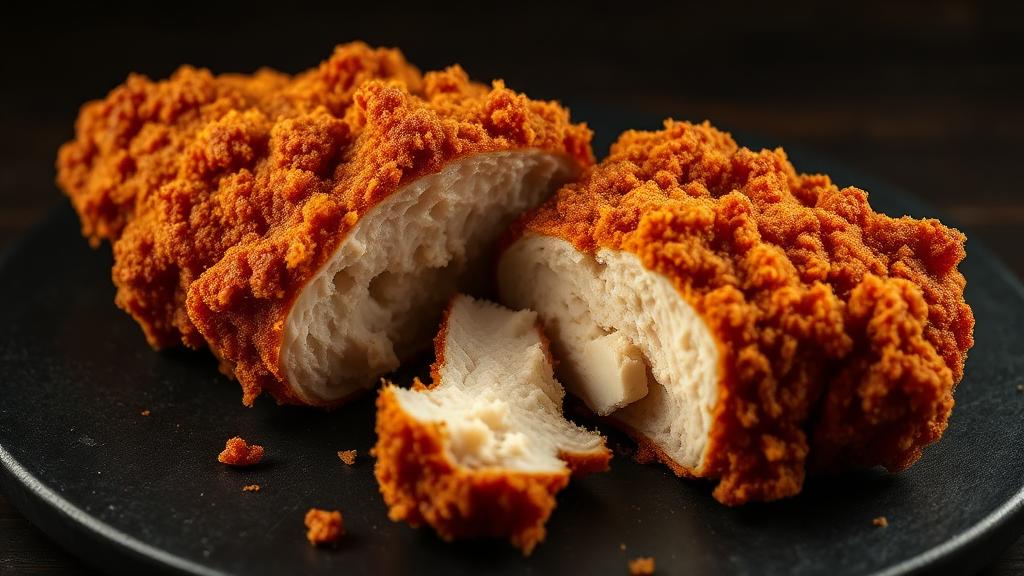
Buttermilk Fried Chicken Breast
Crispy, juicy buttermilk-marinated fried chicken breast with a shatteringly crunchy crust. A Southern classic made foolproof at home.

Chicken Piccata with Lemon-Caper Sauce
Thin, pan-seared chicken breast cutlets in a bright, buttery lemon and caper pan sauce. An elegant 30-minute Italian-American classic.

Grilled Lemon-Herb Chicken Breast
Juicy grilled chicken breast marinated in lemon, garlic, and fresh herbs. A simple, healthy staple that never dries out.

Classic Baked Chicken Parmesan
Crispy breaded chicken breast topped with marinara and melted mozzarella, baked until bubbly. A crowd-pleasing Italian-American dinner.

Chicken and Vegetable Stir-Fry
Quick, healthy chicken breast stir-fry with crisp vegetables in a savory garlic-ginger sauce. Ready faster than delivery.
What Are the Best Ways to Cook Breast?
Breast responds best to these methods. Each one draws out a different quality of the cut.
Popular dishes made from Breast
- • Chicken Parmesan
- • Grilled Chicken Salad
- • Chicken Stir-Fry
- • Chicken Piccata
Breast Questions, Answered
What temperature should chicken breast be cooked to?
Chicken breast is safe to eat at 165°F internal temperature according to the USDA. Because the lean meat can dry out quickly, many cooks pull it at 160°F and let carryover cooking during a 5-minute rest bring it the rest of the way to 165°F while staying juicy.
Why does chicken breast dry out so easily?
Breast meat has almost no intramuscular fat or marbling to keep it moist during cooking, unlike thigh meat. Once it passes 165°F the proteins tighten and squeeze out moisture rapidly, so precise temperature control, brining, or pounding to an even thickness helps prevent overcooking.
What's the difference between a split breast and a boneless skinless breast?
A split breast is half of the whole breast with the rib bone and skin still attached, which cooks slower but stays moister and adds roasted flavor. A boneless skinless breast has both removed for faster, more convenient cooking but less inherent moisture protection.
What is an airline chicken breast?
An airline breast is a boneless, skinless breast with the first wing bone (the drumette) left attached, trimmed clean, giving it an elegant handle-like presentation. It's a common restaurant preparation used for plated entrées where visual appeal matters.
Can you pound chicken breast to make it cook more evenly?
Yes, pounding chicken breast between plastic wrap to an even 1/2-inch thickness is a common technique that ensures the whole piece cooks at the same rate, preventing the thin end from drying out before the thick end reaches a safe temperature.
Guides for Cooking Chicken
Temperatures, buying, brining and butchery fundamentals that apply to this cut.
Chicken Temperature Guide: Safe Doneness for Every Cut
The correct internal temperature for chicken breasts, thighs, wings, and whole chicken, plus why dark meat tastes best cooked hotter than 165°F.
How to Break Down a Whole Chicken Step by Step
A step-by-step guide to butchering a whole chicken into breasts, thighs, drumsticks, and wings, saving money and getting better cuts.
Brining Chicken: Wet Brine vs. Dry Brine and How Long to Brine
Learn how to wet brine or dry brine chicken breasts, thighs, and whole birds for juicier, more flavorful results, with times and salt ratios.
White Meat vs. Dark Meat: What's the Real Difference?
Why chicken breast is white and thighs are dark, how their fat, flavor, and ideal cooking temperatures differ, and which to choose for what dish.
Buying and Grading Chicken: What Labels Actually Mean
Understand USDA chicken grades and labels like free-range, organic, and air-chilled so you can choose the best chicken for your money.
Chicken Cooking Methods Guide: Matching Technique to Cut
A guide to roasting, grilling, poaching, frying, and braising chicken, with the best cuts, temperatures, and timing for each method.
How Does Breast Compare to Other Chicken Cuts?
Explore the rest of the bird to find the right cut for your next meal.
Tenderloin
Underside of the breast, running alongside the keel bone
Wing
Forelimb, attached at the shoulder joint
Thigh
Upper leg, between the hip joint and the knee
Drumstick
Lower leg, between the knee and the ankle joint
Back
Central bony structure along the spine, beneath the breast and ribs
Whole Bird
Entire bird, including breast, legs, wings, and back
Giblets
Internal organs packaged inside the body cavity of a whole bird