Central bony structure along the spine, beneath the breast and ribs
Back: Complete Guide to Chicken Back Cuts
The back, or frame, is the bony central structure of the chicken left over after the breast, wings, and legs are removed. It carries relatively little meat but is rich in collagen, cartilage, and marrow, which makes it exceptionally valuable for stock and broth. Backs are often included whole in a cut-up fryer chicken or sold separately, sometimes bundled with necks, for home cooks who make their own stock. When roasted before simmering, the back contributes deep, gelatinous body and roasted flavor to soups and sauces.
Mostly bone, cartilage, and connective tissue with small pockets of meat. High collagen content makes it ideal for long, slow simmering into rich, gelatinous stock.
What Cuts Come from the Back?
The back is broken down into 3 retail cuts, each with distinct texture, fat content, and ideal cooking method.
Chicken Backs
budgetThe bony carcass frame remaining after breasts and legs are removed, sold cheaply and used almost exclusively for stock.
Also known as: Carcass, Backbone
Typical weight: 8-12 oz per piece
Chicken Frames
budgetSimilar to backs, sometimes sold with a bit more attached rib meat, ideal for simmering into a richer stock.
Also known as: Roasting Frames
Typical weight: 10-14 oz per piece
Neck and Back Bundles
budgetBacks sold together with necks, maximizing collagen content for extra-gelatinous homemade stock and broth.
Also known as: Stock Bundle
Typical weight: 1-2 lb per bundle
What Are the Best Back Recipes?
These 5 recipes show the best ways to cook chicken back, from weeknight fast to weekend-long projects.
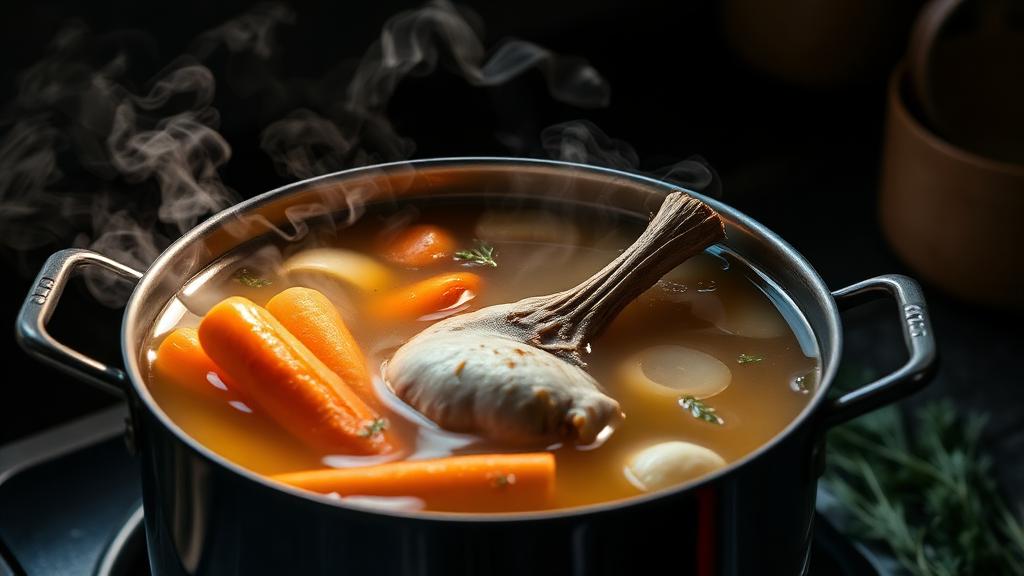
Classic Homemade Chicken Stock
Rich, golden chicken stock made from roasted backs and carcasses, simmered low and slow with aromatics. The essential base for soups and sauces.

Instant Pot Chicken Bone Broth
Deeply nourishing chicken bone broth made from backs and carcasses in the pressure cooker, ready in under two hours instead of all day.

Rich Chicken Ramen Broth from Scratch
Creamy, cloudy chicken ramen broth (paitan-style) made by hard-boiling backs and carcasses for hours to emulsify collagen and fat into the liquid.

Chicken and Rice Soup from the Frame
A frugal, comforting chicken and rice soup made entirely from the leftover carcass and backs, simmered into a rich broth studded with vegetables.

Roasted Chicken Back Gravy
Deeply savory gravy made by roasting chicken backs until browned, then building a pan sauce thickened with a simple flour roux.
What Are the Best Ways to Cook Back?
Back responds best to these methods. Each one draws out a different quality of the cut.
Popular dishes made from Back
- • Chicken Stock
- • Bone Broth
- • Chicken Soup Base
- • Congee
Back Questions, Answered
What is a chicken back used for?
Chicken backs are used almost exclusively for making stock and broth. They contain little meat but are rich in bone, cartilage, and collagen, which break down during long simmering to produce a flavorful, gelatinous liquid base for soups and sauces.
Should you roast chicken backs before making stock?
Roasting chicken backs at 425°F until browned before simmering develops deeper, more complex flavor through the Maillard reaction, resulting in a richer, darker stock. Skipping this step produces a lighter, more neutral-tasting stock suited to delicate dishes.
How long should chicken backs simmer for stock?
Chicken backs generally need 4 to 6 hours of gentle simmering on the stovetop, or about 90 minutes under pressure in an electric pressure cooker, to fully extract collagen and flavor from the bones and connective tissue.
Can you eat the meat on a chicken back?
There is some edible meat clinging to the back, particularly near the ribs, and it can be picked off after simmering for stock or eaten directly if roasted, but the yield is small since the back is mostly bone and cartilage.
Are chicken backs the same as chicken frames?
Chicken backs and chicken frames are essentially the same cut, both referring to the bony central structure left after breasts and legs are removed, though 'frame' sometimes implies slightly more attached rib meat depending on the processor.
Guides for Cooking Chicken
Temperatures, buying, brining and butchery fundamentals that apply to this cut.
Chicken Temperature Guide: Safe Doneness for Every Cut
The correct internal temperature for chicken breasts, thighs, wings, and whole chicken, plus why dark meat tastes best cooked hotter than 165°F.
How to Break Down a Whole Chicken Step by Step
A step-by-step guide to butchering a whole chicken into breasts, thighs, drumsticks, and wings, saving money and getting better cuts.
Brining Chicken: Wet Brine vs. Dry Brine and How Long to Brine
Learn how to wet brine or dry brine chicken breasts, thighs, and whole birds for juicier, more flavorful results, with times and salt ratios.
White Meat vs. Dark Meat: What's the Real Difference?
Why chicken breast is white and thighs are dark, how their fat, flavor, and ideal cooking temperatures differ, and which to choose for what dish.
Buying and Grading Chicken: What Labels Actually Mean
Understand USDA chicken grades and labels like free-range, organic, and air-chilled so you can choose the best chicken for your money.
Chicken Cooking Methods Guide: Matching Technique to Cut
A guide to roasting, grilling, poaching, frying, and braising chicken, with the best cuts, temperatures, and timing for each method.
How Does Back Compare to Other Chicken Cuts?
Explore the rest of the bird to find the right cut for your next meal.
Breast
Front of the ribcage, either side of the breastbone (keel)
Tenderloin
Underside of the breast, running alongside the keel bone
Wing
Forelimb, attached at the shoulder joint
Thigh
Upper leg, between the hip joint and the knee
Drumstick
Lower leg, between the knee and the ankle joint
Whole Bird
Entire bird, including breast, legs, wings, and back
Giblets
Internal organs packaged inside the body cavity of a whole bird