Lower leg, between the knee and the ankle joint
Drumstick: Complete Guide to Chicken Drumstick Cuts
The drumstick is the lower portion of the leg, below the knee joint, containing a single central bone surrounded by dark meat. Like the thigh, it is heavily exercised, giving it robust flavor and a texture that holds up well to long cooking times. The drumstick's built-in handle makes it a popular choice for casual, hands-on eating, and its bone conducts heat evenly, helping the meat cook through without drying out. It is a budget-friendly cut found in nearly every cuisine's roasted or fried chicken repertoire.
Dark, flavorful meat with a single bone and a thin layer of skin. Naturally moist due to connective tissue that breaks down with cooking, and easy to eat by hand.
What Cuts Come from the Drumstick?
The drumstick is broken down into 3 retail cuts, each with distinct texture, fat content, and ideal cooking method.
Whole Drumsticks
budgetStandard bone-in, skin-on drumsticks, the classic budget-friendly cut for frying, roasting, and grilling.
Also known as: Chicken Legs (lower)
Typical weight: 4-6 oz per piece
Skinless Drumsticks
budgetDrumsticks with the skin removed for a leaner option that still benefits from the bone's moisture-retaining properties.
Also known as: Skinless Legs
Typical weight: 3.5-5 oz per piece
Frenched Drumsticks
premiumDrumsticks trimmed and cleaned at the bone end for a neat presentation, often used for lollipop-style appetizers.
Also known as: Chicken Lollipops
Typical weight: 4-6 oz per piece
What Are the Best Drumstick Recipes?
These 5 recipes show the best ways to cook chicken drumstick, from weeknight fast to weekend-long projects.
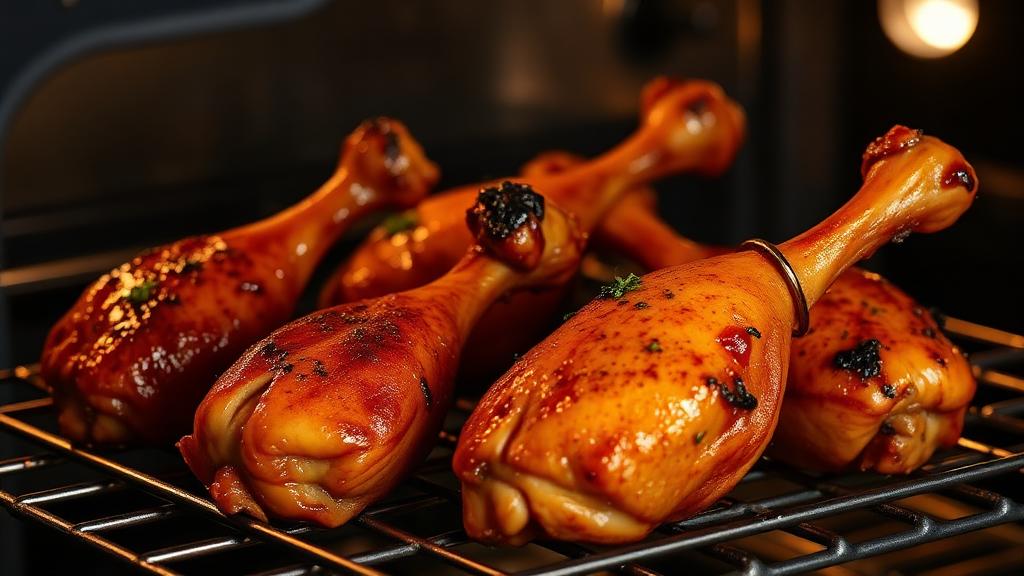
Oven-Baked Crispy Chicken Drumsticks
Crispy-skinned baked chicken drumsticks with a simple spice rub, no frying required. An easy weeknight dinner ready in under an hour.

Honey Garlic Glazed Chicken Drumsticks
Sticky, sweet-savory honey garlic chicken drumsticks baked until caramelized. A family-favorite one-pan dinner with only pantry ingredients.

Grilled BBQ Chicken Drumsticks
Smoky grilled chicken drumsticks with a tangy barbecue glaze, cooked low and slow over indirect heat for tender, fall-off-the-bone results.

Braised Chicken Drumsticks in Tomato Sauce
Comforting braised chicken drumsticks simmered in a rich garlic-tomato sauce with olives and herbs, perfect served over pasta or crusty bread.

Spicy Korean Fried Chicken Drumsticks
Ultra-crunchy double-fried Korean chicken drumsticks tossed in a sweet-spicy gochujang glaze. Restaurant-style Korean fried chicken at home.
What Are the Best Ways to Cook Drumstick?
Drumstick responds best to these methods. Each one draws out a different quality of the cut.
Popular dishes made from Drumstick
- • Fried Chicken Drumsticks
- • Baked BBQ Drumsticks
- • Jerk Chicken Legs
- • Chicken Curry
Drumstick Questions, Answered
How do you know when a chicken drumstick is fully cooked?
A drumstick is safe at 165°F, but its higher connective tissue content means it turns out more tender around 175-185°F, similar to thighs. A meat thermometer inserted near, but not touching, the bone gives the most accurate reading.
Why does chicken sometimes look pink near the drumstick bone even when cooked?
Pinkness near the bone is usually caused by residual myoglobin escaping the bone marrow of young chickens with more porous bones, not undercooking. As long as the internal temperature reaches 165°F, the meat is safe to eat despite the coloring.
Are drumsticks or thighs better for grilling?
Both work well on the grill thanks to their fat and connective tissue, which resist drying out over direct heat. Drumsticks take slightly longer to cook through evenly due to the bone shape, so many grillers use indirect heat before finishing over direct flame.
How many drumsticks are on a whole chicken?
Every whole chicken has exactly two drumsticks, one from each leg, along with two thighs, two wings, and one breast split into two halves, making up the standard eight-piece cut-up chicken sold at most grocery stores.
Are chicken drumsticks a budget-friendly cut?
Yes, drumsticks are typically one of the least expensive chicken cuts per pound because they are less in demand than boneless breast, despite offering rich flavor, forgiving cooking, and a convenient built-in handle for eating.
Guides for Cooking Chicken
Temperatures, buying, brining and butchery fundamentals that apply to this cut.
Chicken Temperature Guide: Safe Doneness for Every Cut
The correct internal temperature for chicken breasts, thighs, wings, and whole chicken, plus why dark meat tastes best cooked hotter than 165°F.
How to Break Down a Whole Chicken Step by Step
A step-by-step guide to butchering a whole chicken into breasts, thighs, drumsticks, and wings, saving money and getting better cuts.
Brining Chicken: Wet Brine vs. Dry Brine and How Long to Brine
Learn how to wet brine or dry brine chicken breasts, thighs, and whole birds for juicier, more flavorful results, with times and salt ratios.
White Meat vs. Dark Meat: What's the Real Difference?
Why chicken breast is white and thighs are dark, how their fat, flavor, and ideal cooking temperatures differ, and which to choose for what dish.
Buying and Grading Chicken: What Labels Actually Mean
Understand USDA chicken grades and labels like free-range, organic, and air-chilled so you can choose the best chicken for your money.
Chicken Cooking Methods Guide: Matching Technique to Cut
A guide to roasting, grilling, poaching, frying, and braising chicken, with the best cuts, temperatures, and timing for each method.
How Does Drumstick Compare to Other Chicken Cuts?
Explore the rest of the bird to find the right cut for your next meal.
Breast
Front of the ribcage, either side of the breastbone (keel)
Tenderloin
Underside of the breast, running alongside the keel bone
Wing
Forelimb, attached at the shoulder joint
Thigh
Upper leg, between the hip joint and the knee
Back
Central bony structure along the spine, beneath the breast and ribs
Whole Bird
Entire bird, including breast, legs, wings, and back
Giblets
Internal organs packaged inside the body cavity of a whole bird