Underside of the breast, running alongside the keel bone
Tenderloin: Complete Guide to Chicken Tenderloin Cuts
The tenderloin, or chicken tender, is a small, finger-shaped strip of muscle attached to the underside of the breast near the breastbone. It is the true equivalent of a beef tenderloin in that it does almost no work, making it the single most tender piece of meat on the bird. Each breast yields one tenderloin, so they are sold separately or trimmed off during breast processing. Tenders cook extremely fast and are a favorite for kid-friendly and quick weeknight preparations.
Very tender, lean white meat with a slightly looser grain than the breast. Contains a tough white tendon that should be removed before cooking.
What Cuts Come from the Tenderloin?
The tenderloin is broken down into 3 retail cuts, each with distinct texture, fat content, and ideal cooking method.
Whole Tenderloins
midIndividual finger-shaped tenders sold loose or attached, with the tough central tendon typically still present and removable before cooking.
Also known as: Chicken Fingers (raw), Inner Fillet
Typical weight: 1-2 oz per piece
Tenderloin Strips
midTenders sliced lengthwise into thinner strips for faster, more even cooking in stir-fries and fajitas.
Also known as: Chicken Strips
Typical weight: 0.5-1 oz per strip
Breaded Chicken Fingers
midTenders pre-coated in breadcrumbs or batter, sold fresh or frozen, designed for quick frying or baking.
Also known as: Chicken Tenders (breaded)
Typical weight: 1.5-2.5 oz per piece
What Are the Best Tenderloin Recipes?
These 5 recipes show the best ways to cook chicken tenderloin, from weeknight fast to weekend-long projects.
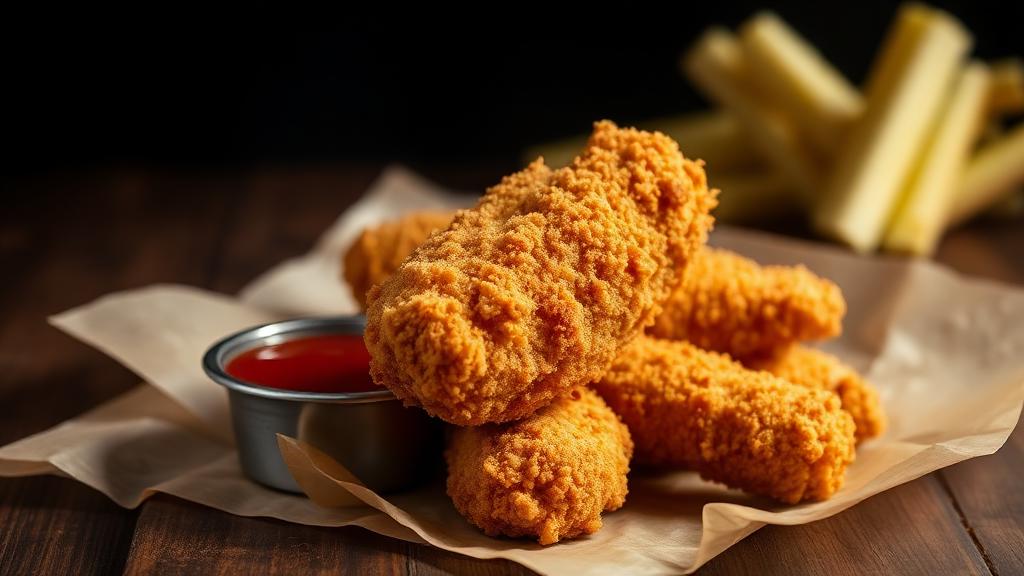
Crispy Air Fryer Chicken Tenders
Golden, crunchy chicken tenderloins made in the air fryer with a fraction of the oil of deep frying. Kid-approved and ready in 25 minutes.

Baked Honey Mustard Chicken Tenders
Sweet and tangy baked chicken tenderloins glazed with honey mustard. An easy, oven-baked family dinner with minimal cleanup.

Grilled Chicken Satay with Peanut Sauce
Marinated chicken tenderloin skewers grilled to smoky perfection and served with a rich, creamy peanut dipping sauce. A Southeast Asian favorite.

Chicken Tenderloin Milanese with Arugula Salad
Thin, breaded chicken tenderloins fried to a crackling crisp and topped with a lemony arugula salad. A light, elegant Italian classic.

Sweet Chili Chicken Tenders
Crispy fried chicken tenderloins tossed in a sticky sweet chili glaze. A fast, flavor-packed dinner with a spicy-sweet kick.
What Are the Best Ways to Cook Tenderloin?
Tenderloin responds best to these methods. Each one draws out a different quality of the cut.
Popular dishes made from Tenderloin
- • Chicken Tenders
- • Chicken Fajita Strips
- • Chicken Satay
- • Tender Skewers
Tenderloin Questions, Answered
Is a chicken tenderloin the same as a chicken tender?
Yes, chicken tenderloin and chicken tender refer to the same cut: the small, finger-shaped strip of muscle attached to the underside of the breast. The name 'tenderloin' reflects that it is the most tender muscle on the entire bird due to minimal use.
Do you need to remove the tendon from chicken tenderloins?
Most tenderloins contain a tough, white, rubbery tendon running down the center that does not soften with cooking. It should be trimmed out with a knife or pulled free before cooking for the best texture, especially if breading and frying.
How long does it take to cook chicken tenderloins?
Chicken tenderloins are thin and cook quickly, usually 3-4 minutes per side in a hot skillet or about 15-18 minutes baked at 400°F, until they reach a safe internal temperature of 165°F. Their small size makes them easy to overcook, so check early.
Are chicken tenders healthier than fried chicken breast?
Nutritionally, tenderloins and breast meat are nearly identical since tenders come from the breast area. The healthiness comes down to preparation: grilled or baked tenders are leaner, while breaded and deep-fried tenders add significant fat and calories.
Why are chicken tenders more expensive per pound than breast?
Tenderloins require extra hand-labor to remove individually from each breast, and only one tenderloin comes from each half breast, making the yield lower relative to the labor involved. That extra processing cost is reflected in a higher price per pound.
Guides for Cooking Chicken
Temperatures, buying, brining and butchery fundamentals that apply to this cut.
Chicken Temperature Guide: Safe Doneness for Every Cut
The correct internal temperature for chicken breasts, thighs, wings, and whole chicken, plus why dark meat tastes best cooked hotter than 165°F.
How to Break Down a Whole Chicken Step by Step
A step-by-step guide to butchering a whole chicken into breasts, thighs, drumsticks, and wings, saving money and getting better cuts.
Brining Chicken: Wet Brine vs. Dry Brine and How Long to Brine
Learn how to wet brine or dry brine chicken breasts, thighs, and whole birds for juicier, more flavorful results, with times and salt ratios.
White Meat vs. Dark Meat: What's the Real Difference?
Why chicken breast is white and thighs are dark, how their fat, flavor, and ideal cooking temperatures differ, and which to choose for what dish.
Buying and Grading Chicken: What Labels Actually Mean
Understand USDA chicken grades and labels like free-range, organic, and air-chilled so you can choose the best chicken for your money.
Chicken Cooking Methods Guide: Matching Technique to Cut
A guide to roasting, grilling, poaching, frying, and braising chicken, with the best cuts, temperatures, and timing for each method.
How Does Tenderloin Compare to Other Chicken Cuts?
Explore the rest of the bird to find the right cut for your next meal.
Breast
Front of the ribcage, either side of the breastbone (keel)
Wing
Forelimb, attached at the shoulder joint
Thigh
Upper leg, between the hip joint and the knee
Drumstick
Lower leg, between the knee and the ankle joint
Back
Central bony structure along the spine, beneath the breast and ribs
Whole Bird
Entire bird, including breast, legs, wings, and back
Giblets
Internal organs packaged inside the body cavity of a whole bird