Forelimb, attached at the shoulder joint
Wing: Complete Guide to Chicken Wing Cuts
The wing is the bird's forelimb, made up of three sections: the drumette, the flat (or wingette), and the tip. It is a well-exercised part with more connective tissue and a higher skin-to-meat ratio than the breast, which gives it a richer flavor and better ability to stand up to high, direct heat. Wings are typically sold whole, split into flats and drumettes, or as tips destined for stock. They are the backbone of American bar food culture, most famously as Buffalo wings.
Higher fat and skin ratio than breast or leg meat, with small bones and connective tissue that render beautifully at high heat, producing crispy skin and juicy meat.
What Cuts Come from the Wing?
The wing is broken down into 4 retail cuts, each with distinct texture, fat content, and ideal cooking method.
Whole Wings
budgetThe full wing with drumette, flat, and tip intact, offering the best value but requiring more work to eat.
Also known as: Party Wings (uncut)
Typical weight: 3-4 oz per wing
Drumettes
midThe upper wing section between the shoulder and elbow, shaped like a miniature drumstick with a single bone.
Also known as: Wing Drumettes
Typical weight: 1.5-2 oz per piece
Wing Flats
midThe middle wing section with two thin parallel bones, favored by many wing enthusiasts for its higher skin-to-meat ratio and easy eating.
Also known as: Wingettes, Mid-Joint Wings
Typical weight: 1.5-2 oz per piece
Wing Tips
budgetThe bony, mostly skin-and-cartilage tip section, rarely eaten on its own but excellent for building deeply flavored stock.
Also known as: Wing Flappers, Tips
Typical weight: 0.5-1 oz per piece
What Are the Best Wing Recipes?
These 5 recipes show the best ways to cook chicken wing, from weeknight fast to weekend-long projects.
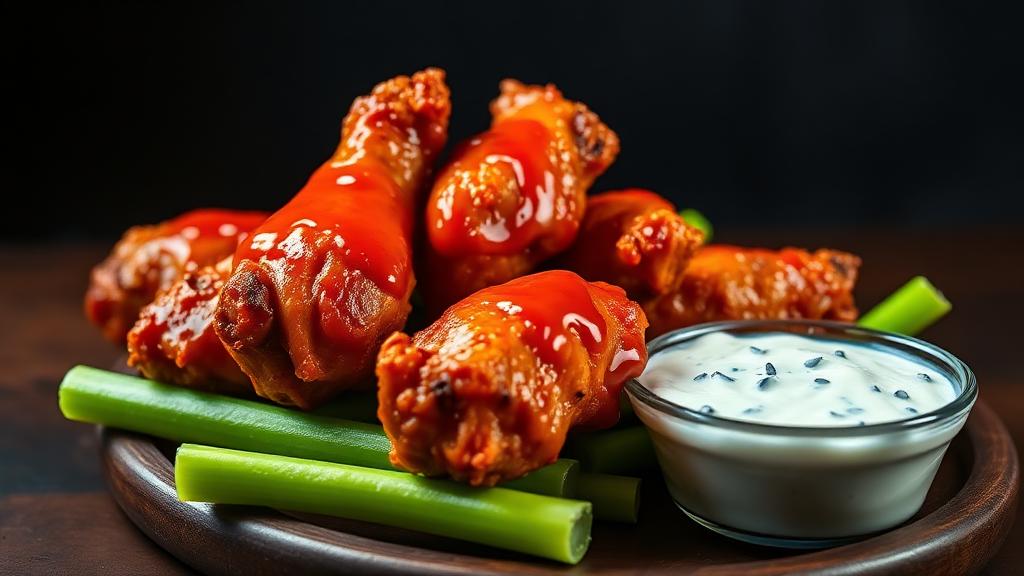
Classic Crispy Buffalo Wings
Extra-crispy baked buffalo wings tossed in a tangy, buttery hot sauce. All the flavor of the wing joint favorite, made healthier at home.

Korean Fried Chicken Wings (Yangnyeom)
Double-fried Korean chicken wings coated in a sticky, sweet-spicy gochujang glaze. Shatteringly crisp with a bold, addictive flavor.

Grilled Lemon Pepper Wings
Smoky grilled chicken wings tossed in a bright, peppery lemon butter. A lighter alternative to fried wings with big backyard flavor.

Sticky Honey Garlic Baked Wings
Oven-baked chicken wings glazed in a sticky honey garlic sauce. Sweet, savory, and made without any deep frying.

Smoked Chicken Wings with Dry Rub
Low-and-slow smoked chicken wings with a paprika-based dry rub, finished with a crisping hot smoke stage for perfect texture.
What Are the Best Ways to Cook Wing?
Wing responds best to these methods. Each one draws out a different quality of the cut.
Popular dishes made from Wing
- • Buffalo Wings
- • Korean Fried Chicken Wings
- • Honey BBQ Wings
- • Smoked Wings
Wing Questions, Answered
What's the difference between a wing flat and a drumette?
The drumette is the upper section closest to the body, shaped like a mini drumstick with a single bone, while the flat is the middle section with two thin parallel bones and more skin. Both come from the same whole wing before the tip is removed.
What temperature should chicken wings be cooked to?
Wings are safe once they reach 165°F internally, but most cooks take them to 175-185°F because the extra time renders more fat and collagen, producing crispier skin and more tender meat, especially when baking, smoking, or deep-frying.
Why are chicken wing tips usually removed?
Wing tips are mostly skin, cartilage, and bone with very little meat, so they offer poor eating value on their own. They are typically trimmed off and saved for stockpots, where their collagen contributes rich body and flavor to broth.
How do you get crispy chicken wings in the oven?
Pat wings very dry, toss with a small amount of baking powder and salt, and bake on a wire rack over a sheet pan at 425°F for about 45 minutes. The baking powder raises the skin's pH, helping it brown and crisp without deep-frying.
Are chicken wings a good source of protein for the price?
Wings offer moderate protein per pound compared to breast meat because a larger share of their weight is bone and skin, but they remain a popular value cut due to low cost, rich flavor, and versatility across cuisines and cooking methods.
Guides for Cooking Chicken
Temperatures, buying, brining and butchery fundamentals that apply to this cut.
Chicken Temperature Guide: Safe Doneness for Every Cut
The correct internal temperature for chicken breasts, thighs, wings, and whole chicken, plus why dark meat tastes best cooked hotter than 165°F.
How to Break Down a Whole Chicken Step by Step
A step-by-step guide to butchering a whole chicken into breasts, thighs, drumsticks, and wings, saving money and getting better cuts.
Brining Chicken: Wet Brine vs. Dry Brine and How Long to Brine
Learn how to wet brine or dry brine chicken breasts, thighs, and whole birds for juicier, more flavorful results, with times and salt ratios.
White Meat vs. Dark Meat: What's the Real Difference?
Why chicken breast is white and thighs are dark, how their fat, flavor, and ideal cooking temperatures differ, and which to choose for what dish.
Buying and Grading Chicken: What Labels Actually Mean
Understand USDA chicken grades and labels like free-range, organic, and air-chilled so you can choose the best chicken for your money.
Chicken Cooking Methods Guide: Matching Technique to Cut
A guide to roasting, grilling, poaching, frying, and braising chicken, with the best cuts, temperatures, and timing for each method.
How Does Wing Compare to Other Chicken Cuts?
Explore the rest of the bird to find the right cut for your next meal.
Breast
Front of the ribcage, either side of the breastbone (keel)
Tenderloin
Underside of the breast, running alongside the keel bone
Thigh
Upper leg, between the hip joint and the knee
Drumstick
Lower leg, between the knee and the ankle joint
Back
Central bony structure along the spine, beneath the breast and ribs
Whole Bird
Entire bird, including breast, legs, wings, and back
Giblets
Internal organs packaged inside the body cavity of a whole bird