Roasted Crispy Ham Hocks
Cut used: Pork Hock (Ham Hock) pork →
Prep
15 min
Cook
3 hrs
Total
3 hrs 15 min
This two-stage method first braises fresh pork hocks until fork-tender, then roasts them at high heat to shatter the skin into crackling. It's an approach borrowed from crispy pork knuckle traditions found across Central Europe and Asia. Serve simply with mustard and a sharp, acidic slaw to cut the richness.
What Ingredients Do You Need?
- 2 large Fresh pork hocks (uncured), skin on
- 1 Yellow onion, quartered
- 2 Carrots, chunked
- 2 stalks Celery, chunked
- 4 Garlic cloves, smashed
- 2 Bay leaves
- 1 tsp Black peppercorns
- 6 cups Chicken stock
- for the skin Kosher salt
- 2 tbsp White vinegar
- 1 tbsp Vegetable oil
How Do You Make Roasted Crispy Ham Hocks?
- 1
Braise the hocks
Place hocks, onion, carrots, celery, garlic, bay leaves, and peppercorns in a large pot. Cover with stock and simmer gently for 2 hours until tender.
- 2
Remove and dry
Carefully remove the hocks and pat the skin completely dry with paper towels. Discard the braising vegetables or reserve the stock for another use.
- 3
Score and season
Score the skin in a crosshatch pattern, rub with vinegar, then sprinkle generously with kosher salt, working it into the scores.
- 4
Air dry
Place the hocks uncovered in the refrigerator for at least 1 hour, or up to overnight, to further dry the skin for maximum crispness.
- 5
Roast at high heat
Preheat the oven to 475°F. Rub the skin with vegetable oil and roast the hocks for 35-45 minutes, until the skin blisters and crackles deeply.
- 6
Check doneness
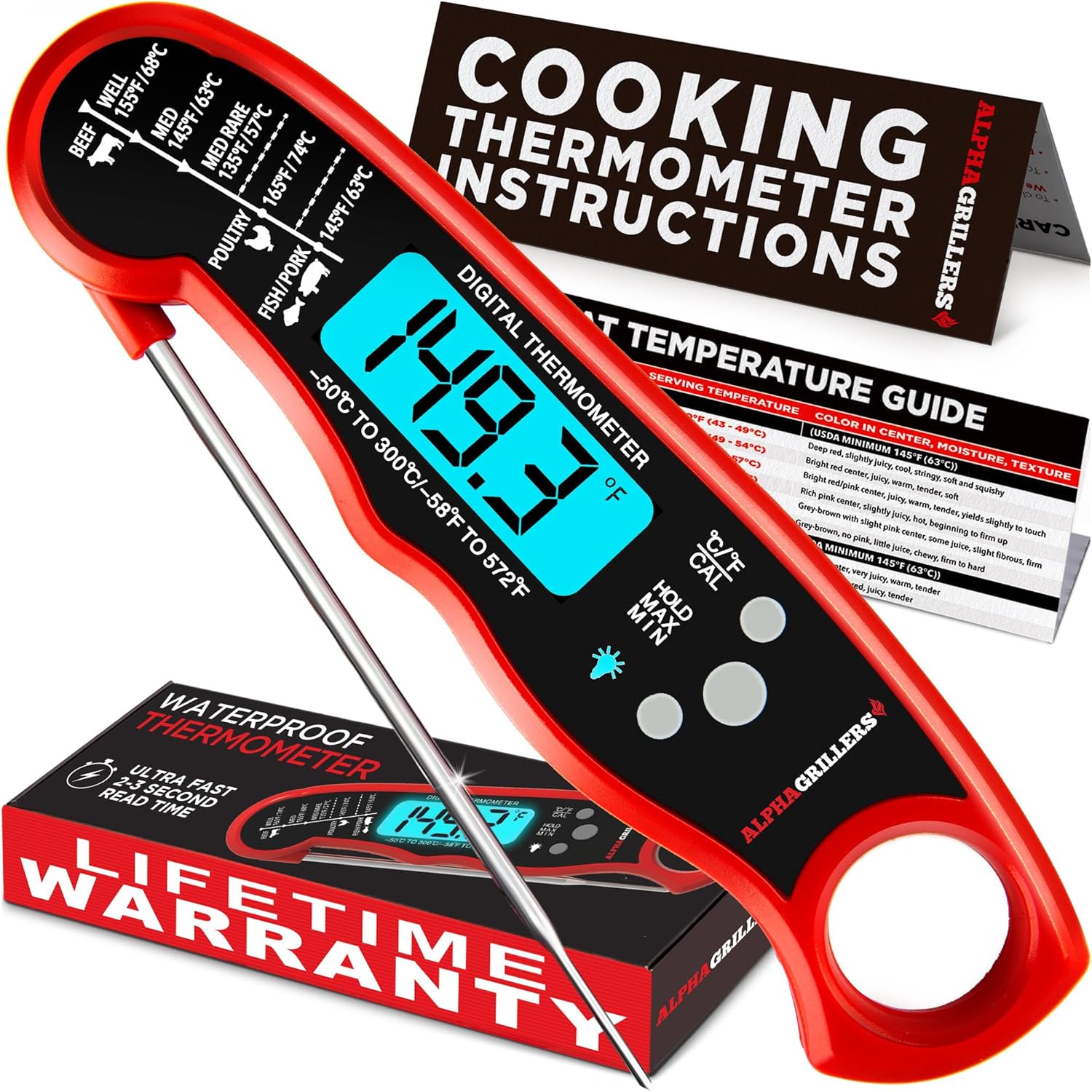
The interior should be steaming hot at around 165°F, well above the standard safe temperature since it was already fully braised.
- 7
Rest and serve
Let rest 5-10 minutes before serving whole with mustard and a vinegary cabbage slaw on the side.
What Are the Pro Tips for This Recipe?
- 💡 Drying the skin thoroughly, both with paper towels and open-air refrigeration, is the single biggest factor in achieving crackling.
- 💡 The vinegar rub helps draw out surface moisture and encourages blistering under high heat.
- 💡 Reserve the braising stock — it makes an excellent base for soup after straining out the fat.